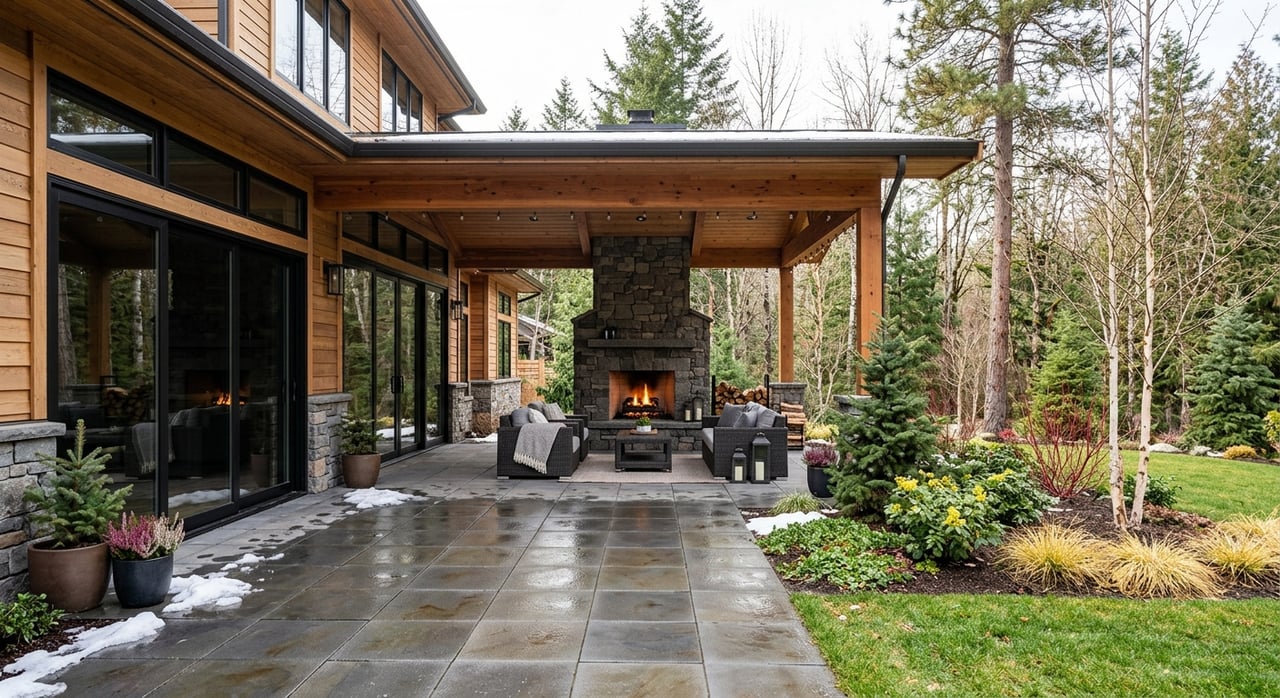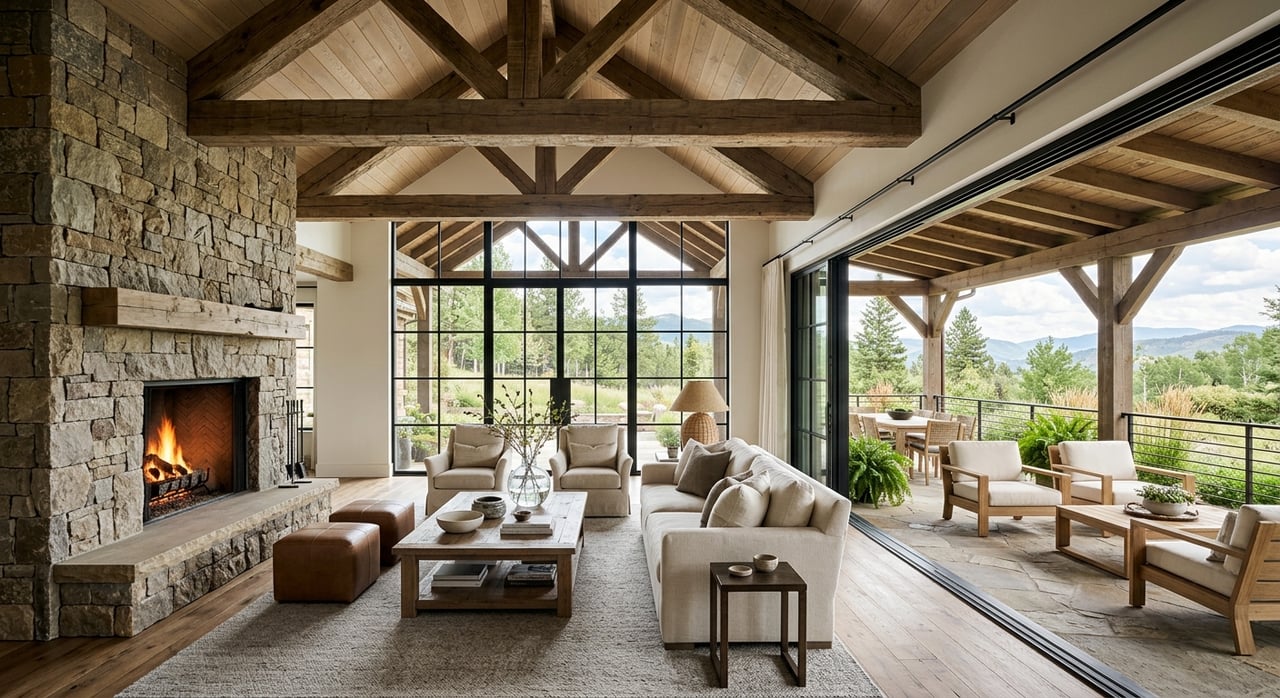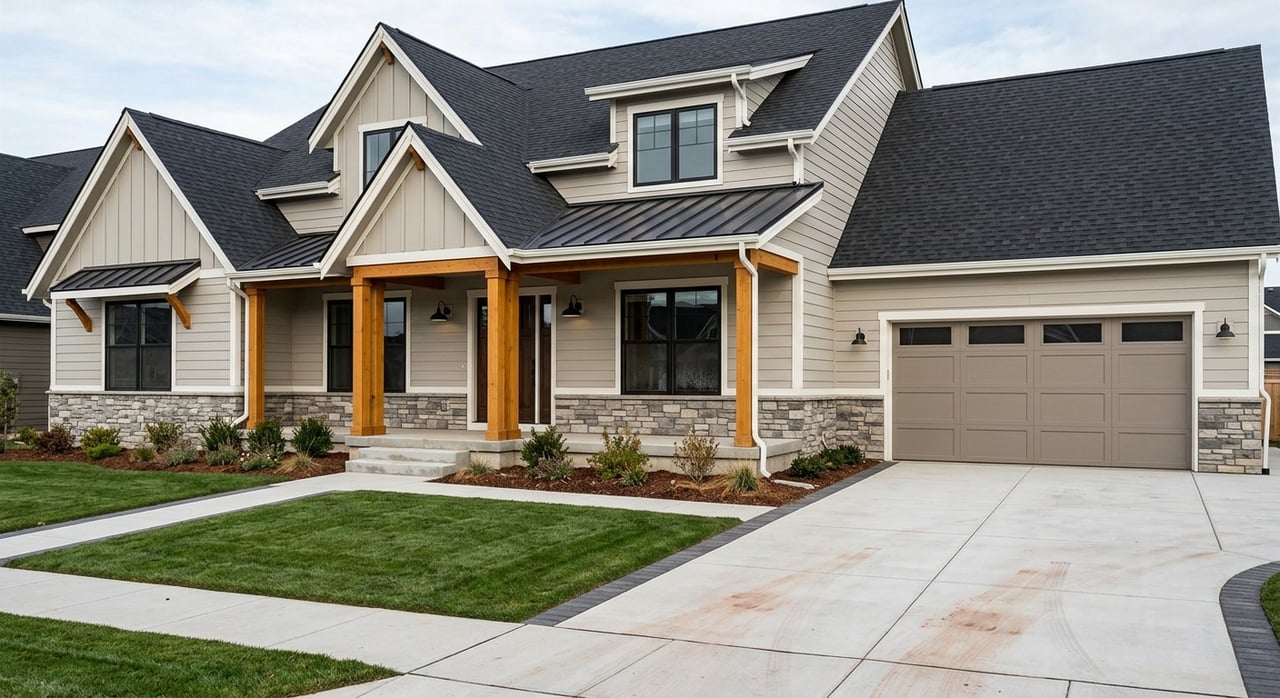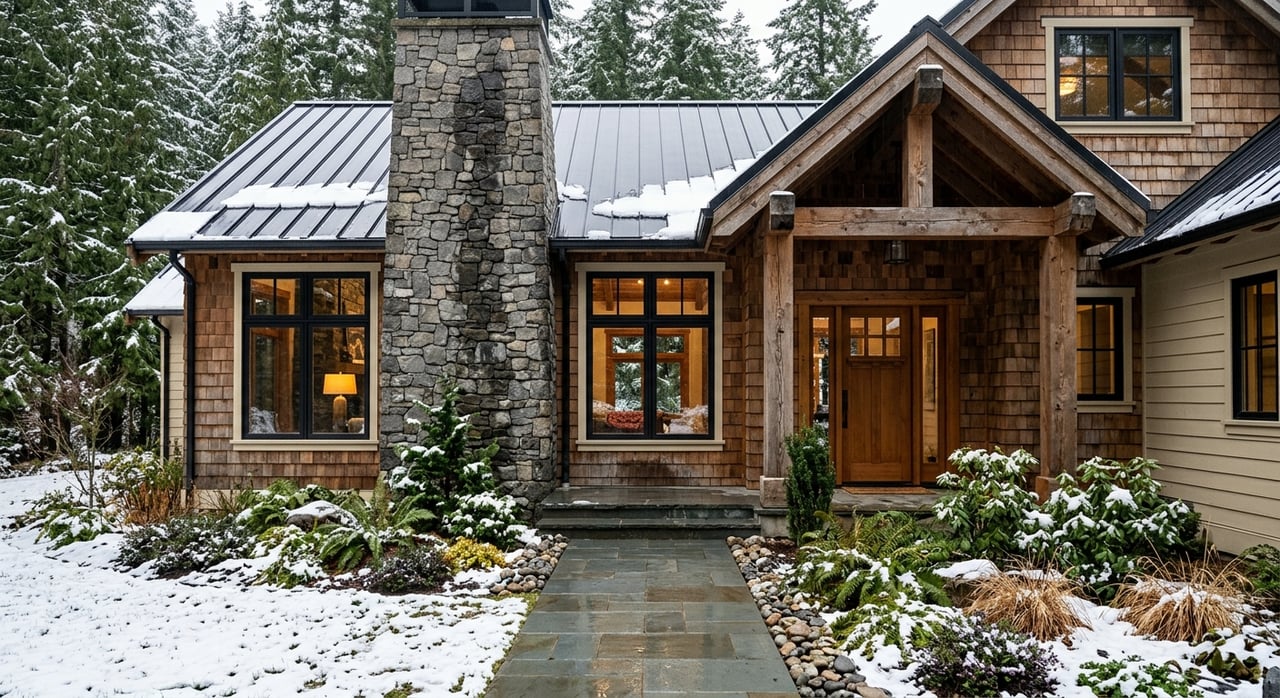
Dreaming about a place where summer means lake days and winter means ski runs? Buying a vacation home in Sandpoint can be exciting, but it also comes with decisions that go well beyond finding a beautiful property. If you are considering a second home here, it helps to understand how location, financing, seasonal access, and rental rules can affect your plans. Let’s dive in.
Why Sandpoint draws vacation-home buyers
Sandpoint stands out as a true four-season destination. Set along Lake Pend Oreille, it offers lake access in the warmer months and easy access to skiing, biking, and hiking through Schweitzer in winter and summer.
For many buyers, the first question is not simply what house to buy. It is whether you want a lake home, a ski basecamp, or a property that can support both lifestyles. That choice often shapes everything from location to financing to long-term costs.
Start with your intended use
Before you schedule showings, get clear on how you plan to use the home. A vacation property that works well for your family a few weekends a year may look very different from one you want to use for longer stays or part-time rental income.
Ask yourself a few basic questions first:
- Will you use the home mainly in summer, winter, or year-round?
- Do you want direct lake access, easy ski access, or in-town convenience?
- Will you use the property only personally, or do you hope to rent it part-time?
- Do you want a low-maintenance condo, a cabin-style retreat, or a waterfront home?
Your answers can save you time and help you focus on the right part of the Sandpoint market.
Common vacation-home options in Sandpoint
Sandpoint offers a mix of property types that appeal to second-home buyers. In general, you will see opportunities that fit into a few broad categories: waterfront homes, resort or condo ownership, in-town homes, and acreage or cabin-style properties.
Each option comes with tradeoffs. The best fit depends on how much maintenance you want, how often you plan to visit, and what kind of access matters most to you.
Waterfront homes
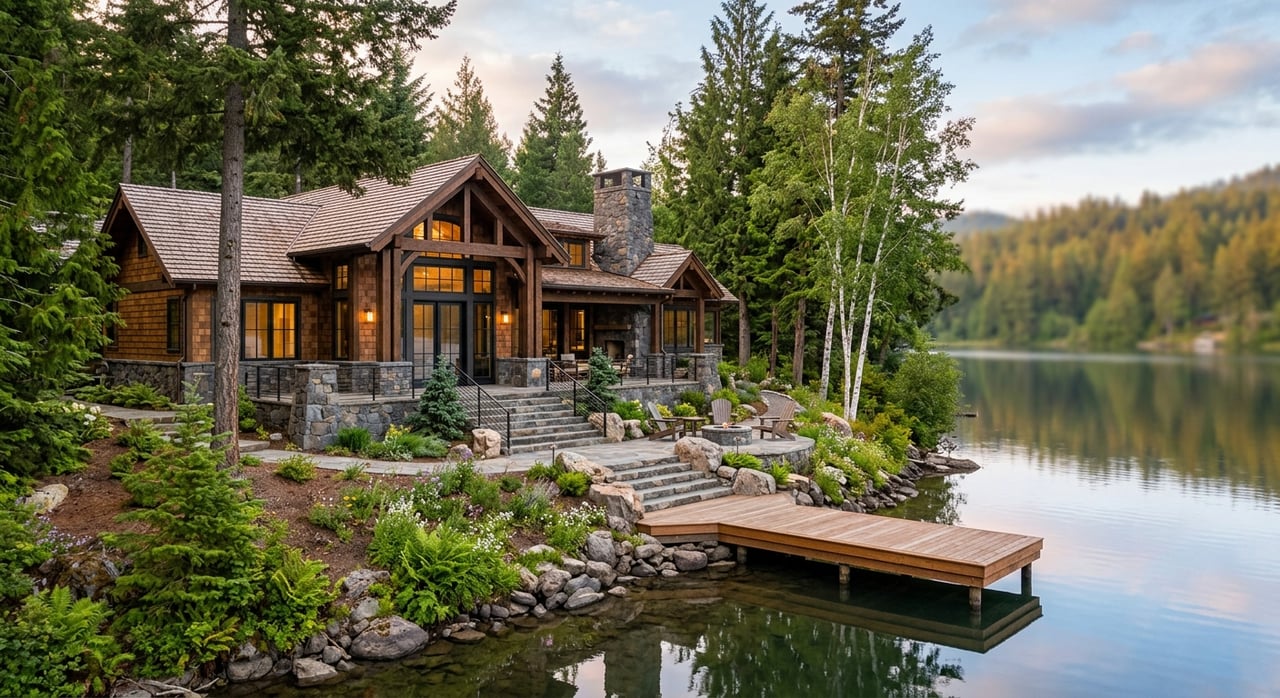
Waterfront ownership can be especially appealing in Sandpoint, but proximity to the lake is not always the same as access. Because much of the Lake Pend Oreille shoreline is privately held, features like deeded waterfront, beach access, and moorage can matter far more than a map pin near the water.
If lake living is your goal, look closely at what rights actually transfer with the property. A home near the lake may offer a very different ownership experience than one with direct access or docking features.
Resort and condo properties
For buyers who want a simpler lock-and-leave setup, condos and resort-style ownership can be attractive. These properties may offer easier maintenance and better convenience for shorter stays.
That said, financing rules can differ depending on how the property is structured and how you intend to use it. It is important to sort that out early if you are comparing a condo to a traditional single-family second home.
In-town homes
In-town properties can be a smart option if you want easier access to daily needs, community amenities, and public lake access points. They may also be a practical fit if you want a vacation home that feels more flexible for longer stays.
This option often appeals to buyers who want convenience over seclusion. It can also make shoulder-season and winter use easier than some more remote properties.
Acreage and cabin-style properties
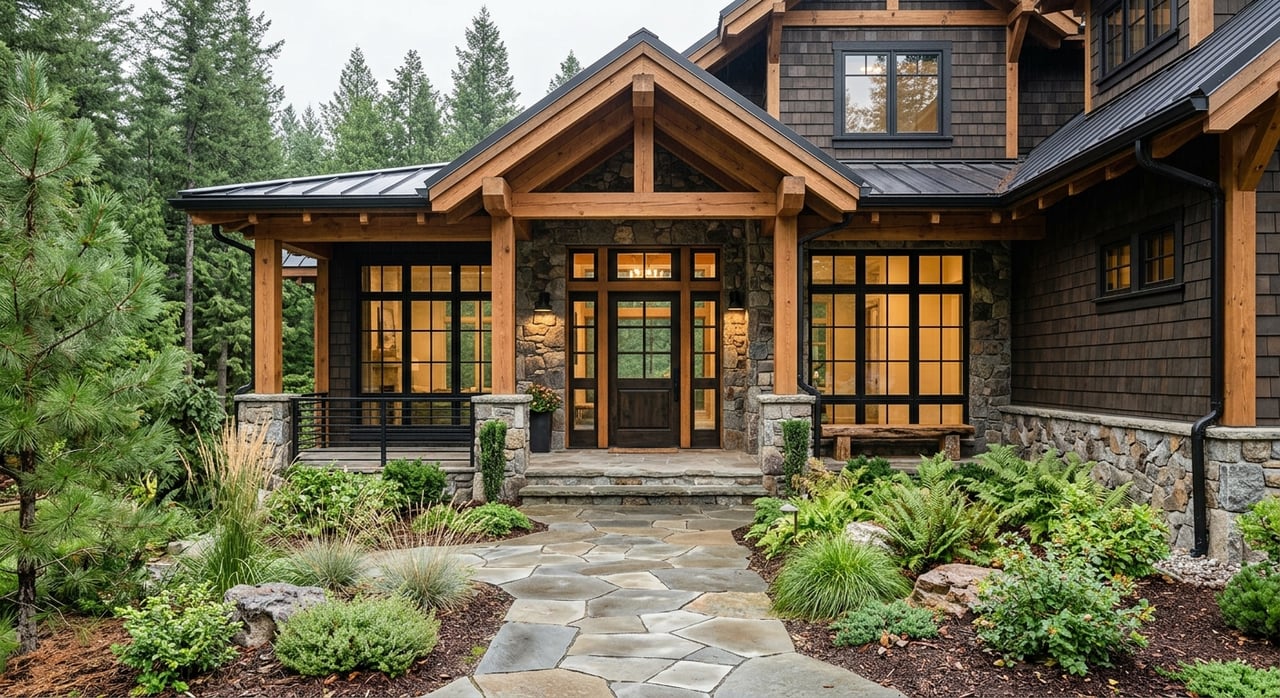
If privacy and space are at the top of your list, acreage or cabin-style homes can offer a very different experience. These properties may provide room to spread out and a stronger sense of retreat.
They can also require more planning around utilities, access, maintenance, and weather. That is especially important if you live out of area and will not be at the property year-round.
Think through seasonal access
In Sandpoint, seasonality is not just a lifestyle feature. It is a practical buying factor.
The city’s planning documents note risks tied to wildfire, winter storms, and flooding. Wetlands and high water tables can also create construction or drainage challenges in some locations.
That means you should think beyond the view and ask how the property performs in every season. A home that feels perfect in July may create a very different experience in January or during spring runoff.
Questions to ask about seasonal use
- Is the home suitable for year-round occupancy?
- How reliable is winter road access?
- Who handles snow removal or driveway plowing?
- Are there site-specific drainage issues?
- Is the property in an area with flood-related concerns?
- Are there wildfire or storm-related access risks?
If possible, try to evaluate the property during the season that matches your main intended use. That can give you a more realistic picture of how the home will function.
Ski access and travel logistics
If Schweitzer is a major reason you are buying, transportation details matter. Road access, parking, and winter mobility should all be part of your decision.
For out-of-area owners, Sandpoint is accessible through Spokane International Airport as the main commercial airport. Sandpoint also has its own airport, Idaho’s only Amtrak station, and winter transit to Schweitzer is available through SPOT with a connector from the Red Barn park-and-ride.
These details may not be the first thing you think about when touring homes, but they can shape how often you use the property and how easy ownership feels over time.
Have the financing talk early
Vacation-home financing can be more restrictive than many buyers expect. If you are planning to purchase a second home, your lender will likely look closely at how you intend to use the property.
Under Fannie Mae second-home guidelines, a second home must generally be occupied by you for part of the year, be a one-unit dwelling, be suitable for year-round occupancy, remain under your exclusive control, and not be structured as rental property, a timeshare, or a management-company controlled unit. Fannie Mae also states that rental income from a second home generally cannot be used to qualify for the mortgage.
This is why one of the smartest first steps is talking with a lender before you write an offer. The same property may be treated differently depending on whether you are buying it as a second home or an investment property.
Budget beyond the purchase price
It is also wise to build a fuller budget from the start. Closing costs commonly run about 2% to 5% of the purchase price, and down payment requirements vary by loan type and lender.
If you are used to thinking about primary-residence financing, do not assume the same programs will apply to a vacation-home purchase. A clear budget early on can help you narrow your search with confidence.
Understand taxes and ownership costs
Second-home ownership in Idaho comes with a few tax points worth knowing upfront. The homeowner’s exemption is for an owner-occupied primary residence, so a vacation home generally does not qualify.
In Bonner County, property taxes are billed in two installments. The first half is due December 20, and the second half is due June 20.
That schedule is simple, but it is easy for out-of-area owners to overlook. Building those dates into your annual planning can help you avoid surprises.
Know the short-term rental rules
If you hope to offset costs with short-term rental income, do not assume every property will work the same way. In Sandpoint, the rules depend on where the property is located and how you plan to use it.
Within Sandpoint city limits, a valid short-term rental permit is required for rentals of 30 days or less. Permits must be renewed annually, a local representative must live within 20 vehicular miles, the city’s hotel-motel occupancy tax is currently 14%, and residential-zoned short-term rentals are limited to one per parcel with a two-night minimum stay.
If the property is outside city limits, Sandpoint does not regulate the short-term rental. In that case, buyers need to look to Bonner County Planning for the applicable rules.
This city-versus-county distinction is a major detail for vacation-home buyers. If rental income is part of your ownership plan, verify the rules before you move forward.
Build a smart due-diligence plan
A good vacation-home purchase in Sandpoint starts with clarity and then moves into careful verification. The right process can help you avoid buying a property that looks perfect online but does not fit your financing, access, or rental goals.
A practical path looks like this:
- Define your intended use first.
- Talk with a lender early.
- Confirm whether city or county rental rules apply.
- Inspect the property with seasonal use in mind.
- Review flood, drainage, access, and utility considerations.
- Confirm tax and ownership details with the right professionals.
This kind of planning matters even more if you are buying from out of area. A calm, organized approach can protect both your investment and your enjoyment of the property.
Buying with a local strategy
Sandpoint offers a lot to love, from lakefront living to mountain access to year-round recreation. The key is making sure the property you choose matches how you actually want to live, travel, and own.
When you approach the purchase with a clear plan, the process becomes much easier to manage. You can compare homes through the right lens, ask better questions, and move forward with more confidence.
If you are thinking about buying a vacation home in Sandpoint and want steady, local guidance, Tanya Beebe can help you evaluate the options and navigate the details with clarity.
FAQs
What types of vacation homes can you buy in Sandpoint?
- Common options include waterfront homes, resort or condo properties, in-town homes, and acreage or cabin-style properties.
What should you consider before buying a second home in Sandpoint?
- Start with intended use, then look at seasonal access, financing, taxes, property type, and whether short-term rental rules could affect your plans.
Can you use rental income to qualify for a Sandpoint vacation home mortgage?
- Under Fannie Mae second-home guidelines, rental income from a second home generally cannot be used to qualify for the mortgage.
Do vacation homes in Sandpoint qualify for Idaho’s homeowner’s exemption?
- In general, no. Idaho’s homeowner’s exemption applies to an owner-occupied primary residence rather than a second home.
Do you need a permit for a short-term rental in Sandpoint city limits?
- Yes. Rentals of 30 days or less within Sandpoint city limits require a valid short-term rental permit, along with compliance with local operating rules.
Why does seasonal access matter when buying a Sandpoint vacation home?
- Sandpoint’s planning documents note wildfire, winter-storm, and flooding hazards, so it is important to understand how a property functions in summer, shoulder season, and winter.