If you are preparing to sell a home in Post Falls, the details you handle before listing can shape everything that follows. You want a strong price, a smooth process, and a launch that attracts serious buyers without unnecessary stress. The good news is that smart prep does not have to mean a full remodel. With the right strategy, you can focus on the updates that matter most and avoid the ones that do not. Let’s dive in.
Understand the Post Falls market
Post Falls remains active, but the numbers vary depending on the source and the exact area of town. Recent public market snapshots show median sale or value figures in the low-to-mid $500,000s, with days on market ranging from about two weeks to a month. That tells you there is opportunity, but it does not mean every home will perform the same way.
What matters most is that Post Falls is not one uniform market. Neighborhood-level pricing can vary widely, with median listing prices ranging from about $414,000 in some areas to around $759,000 in others. Days on market also differ by neighborhood, which is why broad city or county averages should only be your starting point.
Kootenai County as a whole has recently looked softer than the city core, and some broader county data points to more buyer-friendly conditions. That makes precise pricing even more important. If you are selling in Post Falls, your home should be priced against recent sold properties with similar size, condition, features, and location.
Price from sold comps, not guesses
One of the biggest mistakes sellers can make is using a citywide average as if it were a guaranteed outcome. It is not. A home in one part of Post Falls may compete in a very different segment than a similar-sized home across town.
The strongest pricing approach is to look at recent sold comparables in your neighborhood or ZIP code. Those sold homes give the clearest picture of what buyers have actually been willing to pay, not just what sellers hoped to get.
This is especially important because the first few weeks on market carry a lot of weight. A home that launches overpriced can lose momentum quickly, and price reductions later may not fully undo that weak first impression. In many cases, a well-priced home that is ready on day one is in the best position to attract attention early.
Focus on the first month
When your home hits the market, the clock starts right away. The first four weeks are often the make-or-break period for interest, showings, and offers. Homes that go under contract in the first two weeks often capture the strongest premiums.
That does not mean you should rush. It means you should wait to list until the home is truly ready. In Post Falls, launching before the pricing, cleaning, staging, photography, and disclosures are in order can cost you more than waiting an extra week or two.
Start with high-impact prep
You do not need to renovate every room to prepare your home for sale. In most cases, the best return comes from simple, visible improvements that help buyers see the home clearly and feel confident walking through it.
A smart prep order often looks like this:
- Declutter
- Deep clean
- Fix obvious defects
- Freshen paint where needed
- Improve curb appeal
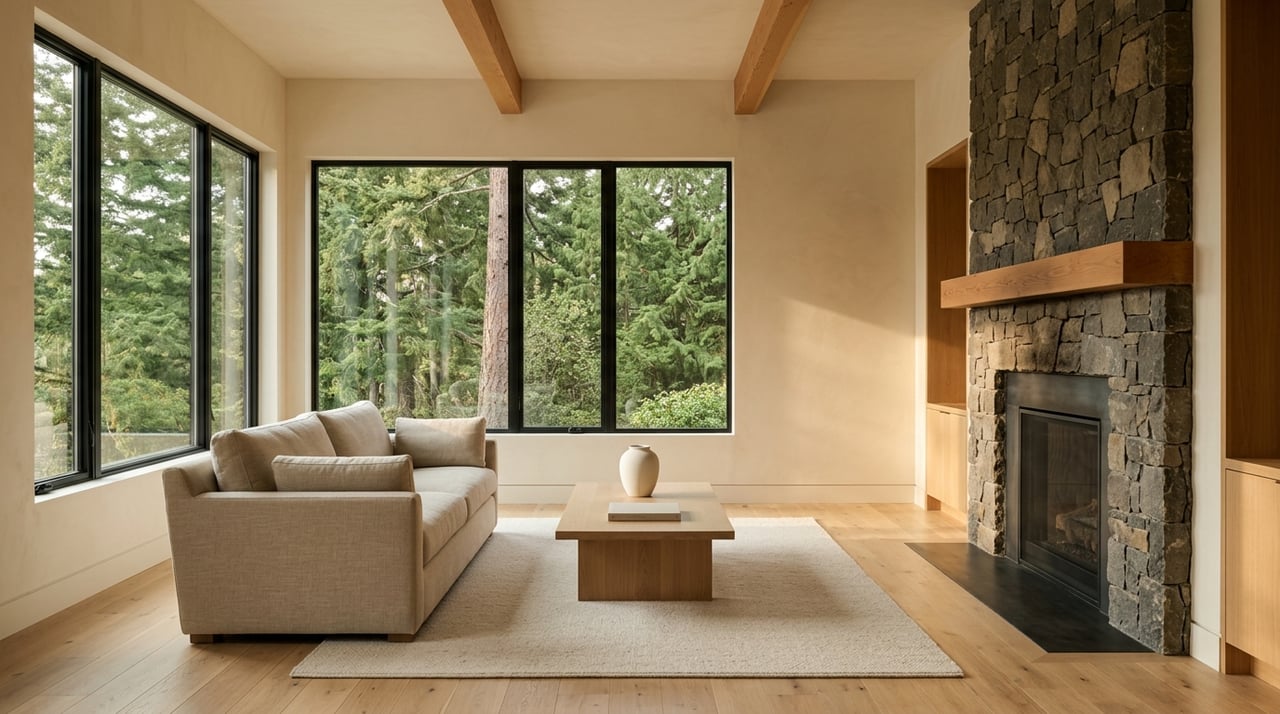
- Stage key spaces
- Photograph the home professionally
These steps help your home show better in person and online. That matters because buyers often form their first opinion from photos before they ever schedule a showing.
Declutter and deep clean first
Before you spend money on upgrades, start by removing distractions. Packed counters, crowded shelves, extra furniture, and overflowing closets can make rooms feel smaller and less functional. A cleaner, more open space helps buyers focus on the home itself.
Deep cleaning also goes further than many sellers expect. Clean windows, carpets, lighting fixtures, and walls can make a home feel brighter and better cared for. Even if your home is in good condition, a polished presentation can improve the overall impression.
If you are still living in the home, this step may take some planning. Temporary storage, simplified decor, and a system for daily tidying can make showings much easier once the listing is live.
Repair what buyers will notice
Buyers do not expect perfection, but they do notice visible maintenance issues. Dripping faucets, damaged trim, loose hardware, burned-out bulbs, stained caulk, and scuffed paint may seem minor on their own, yet together they can make a home feel less cared for.
If your roof, HVAC system, or a major appliance is nearing the end of its life, it is worth getting repair or replacement estimates before listing. That gives you a better basis for deciding whether to fix the issue, offer a credit, or price with that condition in mind.
Fresh paint can also be one of the most cost-effective updates before a sale. In many homes, neutral touch-ups or repainting worn areas can quickly improve the look and feel without a major investment.
Improve curb appeal before photos
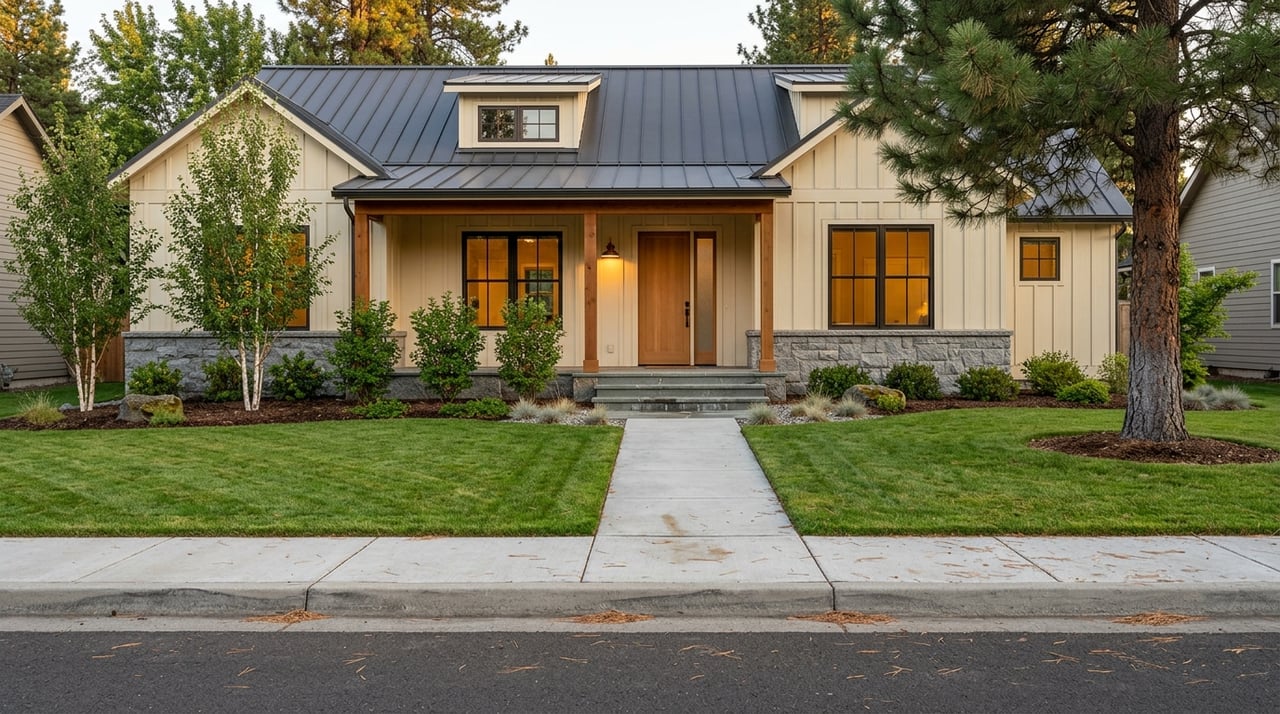
Your exterior sets the tone before buyers ever step inside. Basic landscaping, a tidy front entry, and paint touch-ups can all help your home feel more inviting. These are often small projects, but they can have an outsized effect on first impressions.
Because so many buyers start online, curb appeal matters in photos as much as it does in person. A clean driveway, trimmed yard, and welcoming entry can help your listing stand out in a busy field of Post Falls homes.
Stage the rooms that matter most
Staging is not about making your home look overly designed. It is about helping buyers picture how the space lives. That usually means better furniture placement, fewer personal items, cleaner surfaces, and a more balanced feel from room to room.
National staging data shows that many buyers find it easier to visualize a property as their future home when it is staged. The rooms that matter most tend to be the living room, primary bedroom, and kitchen.
That is good news if you are trying to prep efficiently. You may not need to fully stage every part of the house to make a strong impact. A thoughtful focus on the main living spaces can go a long way.
Professional staging services have a reported median cost of about $1,500, while agent-assisted staging can be lower. Depending on your home, your goals, and your budget, even light staging may help reduce time on market and support a stronger offer.
Invest in strong listing media
Once your home is clean, repaired, and staged, professional photography becomes essential. Buyers' agents consistently rate photos as highly important, along with videos and virtual tours. In practical terms, that means your marketing materials are not an extra. They are part of the launch strategy.
If you list before your home is photo-ready, you risk wasting your best early attention window. In a market like Post Falls, where first impressions matter, strong visuals can help generate more interest right away.
Consider a pre-sale inspection
A pre-sale inspection is optional, but it can be useful. It may identify issues with the structure, roof, plumbing, electrical, heating and air conditioning, ventilation, insulation, or fireplaces before a buyer's inspector does.
It can also surface concerns such as mold, radon gas, lead paint, or asbestos. That information can help you decide what to repair, what to disclose, and what to factor into your pricing.
For some sellers, a pre-sale inspection brings clarity and reduces surprises later. For others, it may not be necessary. The right choice depends on the age and condition of the property, your timeline, and your tolerance for uncertainty.
Gather documents early
One of the easiest ways to reduce stress during the selling process is to organize paperwork before your home goes live. If systems or appliances will stay with the home, gather any warranties, guarantees, manuals, and service records you have.
This step may seem small, but it helps you answer buyer questions more efficiently. It can also support a smoother transaction once you are under contract.
Know your Idaho disclosure responsibilities
In Idaho, sellers, owners, brokers, and salespersons have disclosure obligations related to residential property condition and known hazardous materials or substances. That means your preparation process is not only about appearance and pricing. It is also about being ready to provide accurate information.
If your home was built before 1978, lead-based paint rules may also apply. In most sales of older housing, sellers and agents must disclose known lead-based paint or lead-hazard information, provide available records or reports, give the required pamphlet, and allow a 10-day period for a lead inspection or risk assessment unless that period is waived.
Because disclosure questions are state-specific and fact-specific, this is an area where careful guidance matters. A clear plan can help you stay organized and avoid last-minute scrambling.
Think about tax questions early
If you have owned your home for a long time, are selling a second home, or have significant appreciation, tax planning deserves attention before you list. Federal rules may allow qualifying homeowners to exclude up to $250,000 of gain, or up to $500,000 on a joint return, if ownership and use tests are met.
Idaho also offers a capital gains deduction of up to 60% of gain on qualifying Idaho property. For some sellers, that may be meaningful.
The key is not to guess. If taxes could affect your sale, bring in a qualified tax professional early so you understand your options and timing.
Choose your launch timing carefully
National research identified mid-April as a strong listing window in 2026, but timing is never only about the calendar. Local conditions, mortgage rates, your home's condition, and neighborhood competition all matter.
In Post Falls, the stronger rule is simple: launch when the home is ready. That means priced from current sold comps, cleaned thoroughly, staged appropriately, photographed professionally, and prepared for disclosure questions.
A polished launch can do more for your outcome than trying to chase a perfect week while skipping important prep. The goal is not just to list. The goal is to list well.
Why local guidance matters in Post Falls
Because pricing and pace can vary so much across Post Falls neighborhoods, sellers benefit from advice that is specific to their home rather than broad market headlines. A calm, organized plan can help you decide which updates are worth doing, which are not, and how to enter the market with confidence.
That kind of support can be especially valuable if you are downsizing, selling from out of the area, or juggling repairs, vendors, and scheduling. When the process is managed well from the start, it becomes much easier to protect your time and your home's value.
If you are thinking about selling in Post Falls and want thoughtful guidance on pricing, preparation, and launch strategy, Tanya Beebe can help you build a plan that fits your home and your timeline.
FAQs
What is the best way to price a home in Post Falls?
- The best starting point is recent sold comparables from your neighborhood or ZIP code, matched as closely as possible for size, condition, location, and features.
What should I fix before selling a home in Post Falls?
- Focus first on visible maintenance issues, deep cleaning, decluttering, paint touch-ups, curb appeal, and any major system concerns that could affect buyer confidence.
Is staging worth it for a Post Falls home sale?
- Staging can help buyers visualize the home more easily, and national data suggests it may reduce market time and support stronger offers, especially in the living room, primary bedroom, and kitchen.
Should I get a pre-sale inspection before listing in Idaho?
- A pre-sale inspection is optional, but it can help you identify issues early and decide what to repair, disclose, or price around before buyers complete their own inspections.
What disclosures do Idaho home sellers need to know?
- Idaho sellers have disclosure responsibilities related to residential property condition and known hazardous materials or substances, and homes built before 1978 may also require lead-based paint disclosures.
When should I list my home in Post Falls?
- The best time to list is when your home is fully ready, with current pricing, completed prep, strong photos, and organized disclosures, so you can make the most of the first few weeks on market.