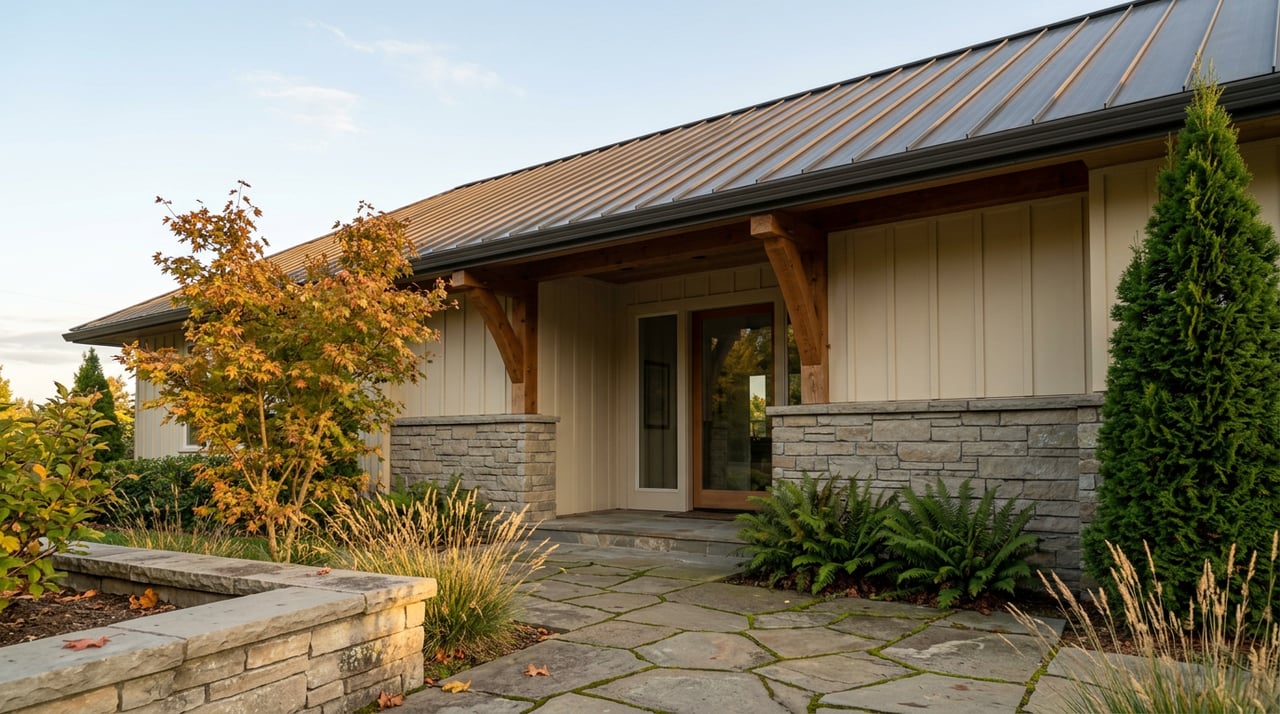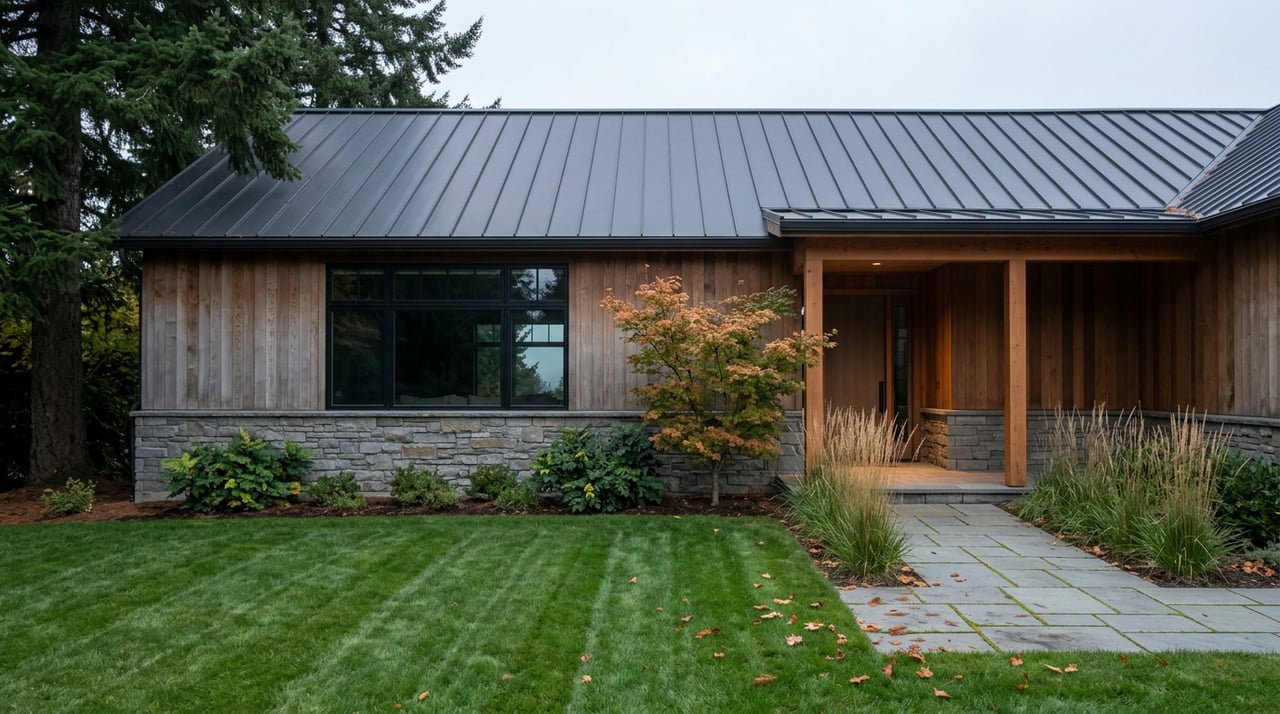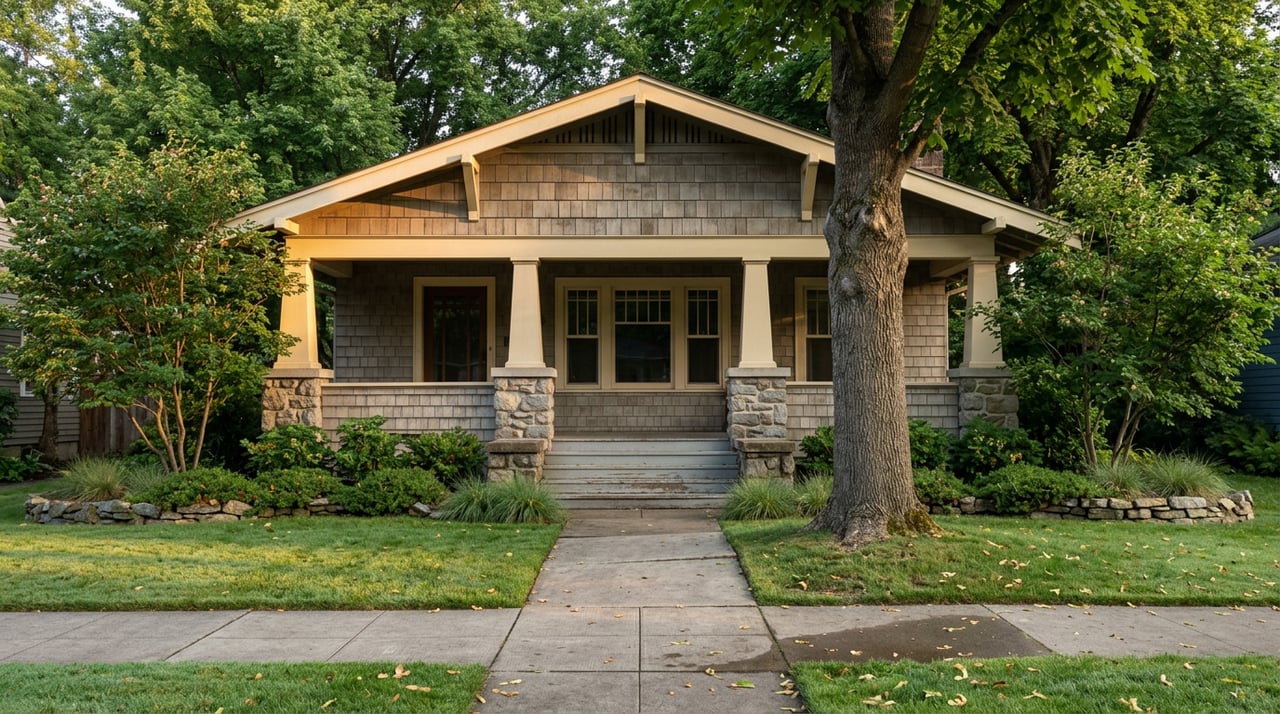
Two houses sit across the street from each other on a block in Cannon Hill. Same era, same builder-grade Craftsman detailing, same distance from the park. A buyer who wants to swap the leaded windows on one of them for something more efficient can do it Tuesday. The other requires a design review and a Certificate of Appropriateness before a permit gets pulled, because it sits a few feet inside a boundary that has nothing to do with the block's name and everything to do with a preservation map most buyers never ask to see.
That is the surprise that actually stalls South Hill purchases. Not the knob and tube. Not the drafty sash windows everyone expects when they fall for a 1915 build. It is the discovery, usually after an offer is already accepted, that the exterior of the house is not entirely the new owner's to change, and that a second system entirely, the buyer's insurance underwriter, runs its own inspection on its own clock after closing, asking questions the standard home inspection was never built to answer.
The Boundary the Listing Photo Doesn't Show
South Hill is not one neighborhood. It is a run of distinct pockets stacked up the bluff south of downtown, and they were built in different decades under different design philosophies. Rockwood carries the fingerprints of the Olmsted Brothers, the landscape firm behind some of the country's best known parks, with curving boulevards and stone entry pillars that were never accidental. Manito and Cannon Hill grew up around the park itself, Foursquares and Tudor Revivals and modest Craftsman bungalows from the early 1900s. Cliff-Cannon sits on the bluff edge closer to downtown, a mix of old houses and newer apartment construction. Comstock and Lincoln Heights round out the hill with a wider range of eras, from prewar cottages to mid-century ranches.
Within that mix, the city and county historic preservation office maintains a formal designation system. Some properties are individually listed on the Spokane Register. Some sit inside local historic districts, including the Cannon Streetcar Suburb district, which residents voted to establish in 2023. A property inside one of these boundaries, or flagged as a contributing structure, comes with a real obligation: exterior changes affecting appearance, new construction, or demolition require review against the Secretary of the Interior's Standards for Rehabilitation and often a Certificate of Appropriateness before permitting.
The trouble is that neighborhood names and district boundaries don't line up cleanly. A house can carry a "Rockwood" address and sit entirely outside any historic overlay. Another two blocks over can sit squarely inside one. The only way to know is to check the specific parcel against the historic preservation office's records before writing an offer, not after.
What That Means in Practice
If a buyer is set on porch repairs, a window swap, a garage addition, or any change visible from the street, the sequence matters. On an unlisted, non-contributing property, that's a standard permit conversation with the city's building services office. On a designated or contributing property, it's a review process first, permit second, and the timeline and design constraints both change.
Before an offer goes in on anything in Rockwood, Manito, Cannon Hill, or Cliff-Cannon, it's worth confirming:
- Whether the parcel is individually listed on the Spokane Register or sits inside a local historic district boundary
- Whether the house is flagged as a "contributing" structure to that district, which carries stricter review than a non-contributing property in the same boundary
- What exterior work, if any, the current owner has already had approved, since a paper trail on file speeds up future review
- Whether planned renovations, a new porch, replacement windows, an addition, would even qualify for approval under the standards the office applies
None of this is a reason to avoid these neighborhoods. It's a reason to ask the question before the inspection period runs out rather than after the first contractor bid comes back with a design review line item nobody budgeted for.
The Second Inspection, After You Already Own It
The home inspection during escrow checks what's accessible and functional. It is not the same process an insurance carrier runs before issuing or renewing a policy on a home past the 40-year mark, and that gap is where South Hill buyers get caught most often.
Many insurers now require a 4-point inspection on homes over 40 years old, covering the roof, HVAC, electrical panel, and plumbing, before binding coverage. When that inspection turns up galvanized steel supply pipes, a material used routinely in this era and still common under South Hill's older housing stock, the response from some carriers is blunt: complete a full repipe within 30 to 60 days, or the policy gets cancelled or non-renewed. A full repipe is not a minor expense. Depending on the home's size and how much original plumbing remains, it can run from several thousand dollars into the tens of thousands, before accounting for the wall and ceiling repair needed to get at the pipes in the first place.
This inspection often happens after the buyer already owns the house, because insurance underwriting and real estate escrow run on separate tracks. A buyer who assumes a clean home inspection means a clean bill of health from the insurer can be wrong in a way that shows up as a cancellation notice months into ownership rather than a repair request during the contract period.
The other disclosure that catches buyers off guard involves paint, not pipes. On South Hill's oldest stock, much of it built well before 1940, that disclosure isn't a formality.
What the Same Old House Costs, Depending on Which Side of $600,000 It Sits
As of July 2026, Spokane's market is not behaving as one block. Local price-tier tracking shows the $300,000 to $399,000 range as the tightest and most competitive, concentrated in North Spokane and Spokane Valley. The $400,000 to $600,000 range is described as the core market, with South Hill and Liberty Lake leading that tier and outcomes depending heavily on pricing and presentation. Above $600,000, the picture flips: more balanced conditions, more room to negotiate, and longer marketing timelines than buyers saw in recent years.
That split lands right in the middle of South Hill's historic inventory. Character homes in Manito and Cannon Hill commonly price in the 500s, squarely in the competitive core tier. Rockwood, with its larger lots and Olmsted-era pedigree, often runs from the low 500s into the 600s or higher depending on the specific block and condition. That means two houses that look similarly priced on paper can sit on opposite sides of a real shift in leverage. A Rockwood house at $580,000 is competing in a tier where presentation and pricing strategy still decide the outcome. The same style of house at $625,000 is negotiating in a market where buyers currently have more room to ask for concessions, repairs, or credit toward that eventual repipe.
Citywide, sources differ on the exact median, some reporting figures in the high $300,000s over a trailing three month window through mid-2026, others closer to $450,000 depending on methodology and time frame. The spread itself is the useful signal: after several years of a tight seller's market, inventory has climbed noticeably year over year across most measures, and pricing has leveled off rather than continuing to run up. For a buyer targeting a specific historic pocket, that citywide softening matters less than knowing which side of the $600,000 line their target house falls on.
If You're Set on One of These Blocks
Buying old on South Hill rewards patience with two separate systems most buyers never think to check until they're already committed. Confirm the parcel's historic status before writing the offer, not during the inspection period. Ask the seller directly whether they've had an insurance 4-point inspection done recently and what it found, since that answer tells you more about your post-close insurability than the general home inspection will. And if the house you want sits close to that $600,000 line, know that a few thousand dollars of positioning can move you from a competitive core-tier negotiation into a buyer-favorable one.
A Few Direct Questions
Does every old house on South Hill require design review before renovation? No. Properties individually listed on the Spokane Register, inside a designated local historic district, or flagged as contributing to that district can carry the Certificate of Appropriateness requirement. The preservation office's parcel records are the way to check a specific address.
What should buyers know about lead paint in an older home? On South Hill's oldest stock, lead paint is worth taking seriously.
How do I find out if a specific house will trigger the insurance repipe issue? Ask the seller for their current homeowner's policy details and any recent 4-point inspection report. If the home still has original galvanized supply lines and hasn't been repiped, budget for that conversation with your own insurer before you're locked into a rate you can't get quoted elsewhere.
Buying character on South Hill is still one of the better plays on the current market, especially in the tier above $600,000 where the negotiating room has genuinely opened up. Getting the parcel history and the insurance conversation right before you're under contract is what keeps that opportunity from turning into a surprise.
If you're weighing a specific block, a specific era, or how a South Hill purchase compares to what's available elsewhere in the area, Tanya Beebe can walk through the parcel records and the numbers with you before you write an offer. Let's Connect.
This article is general information, not legal, tax or financial advice. Consult a qualified professional about your situation.