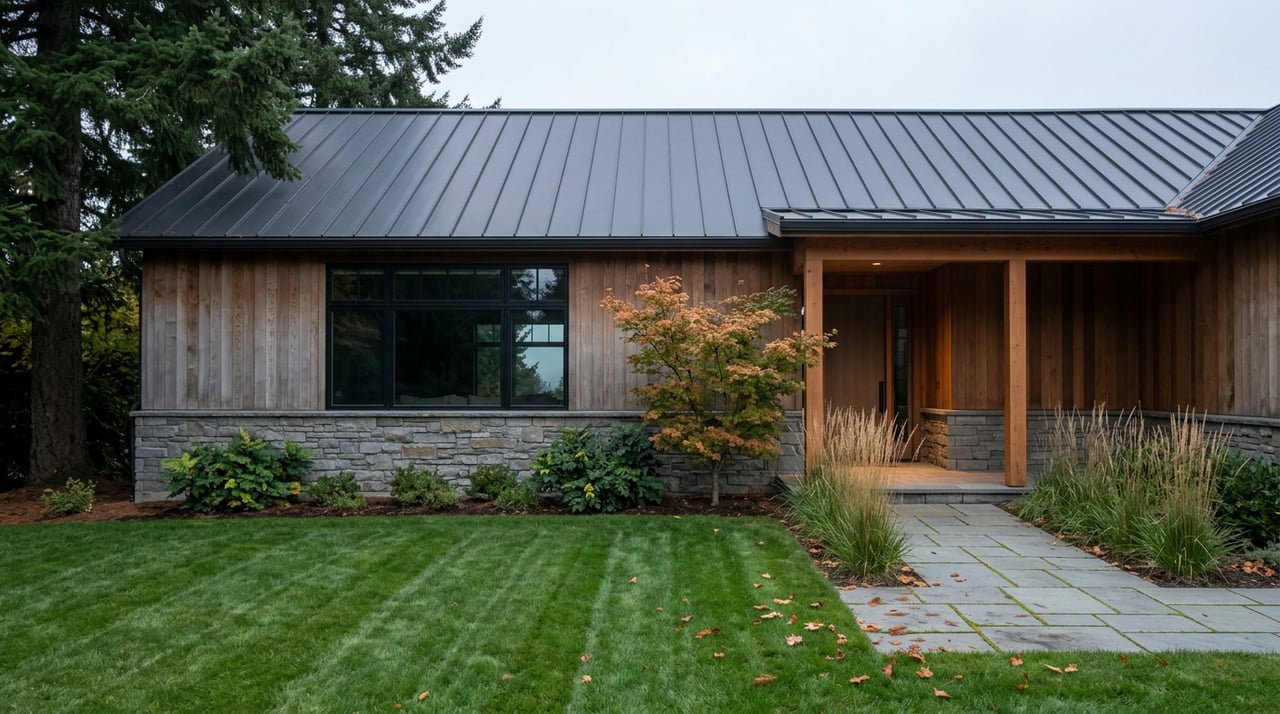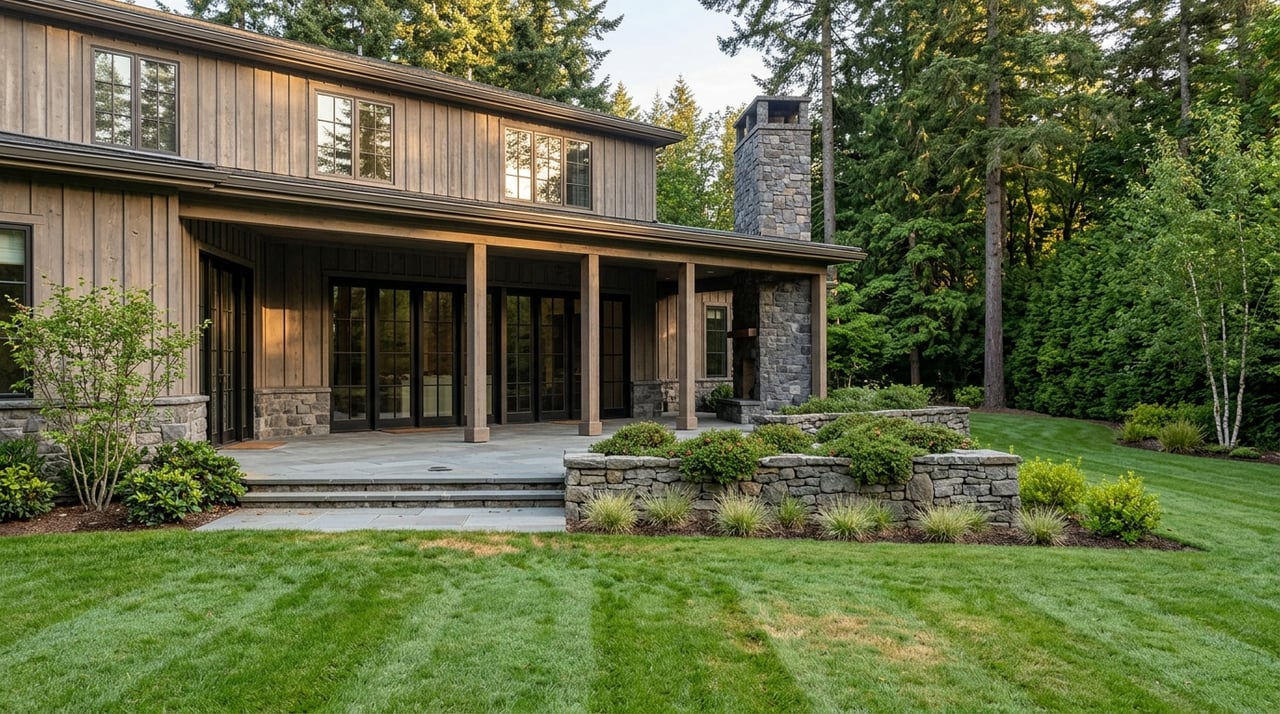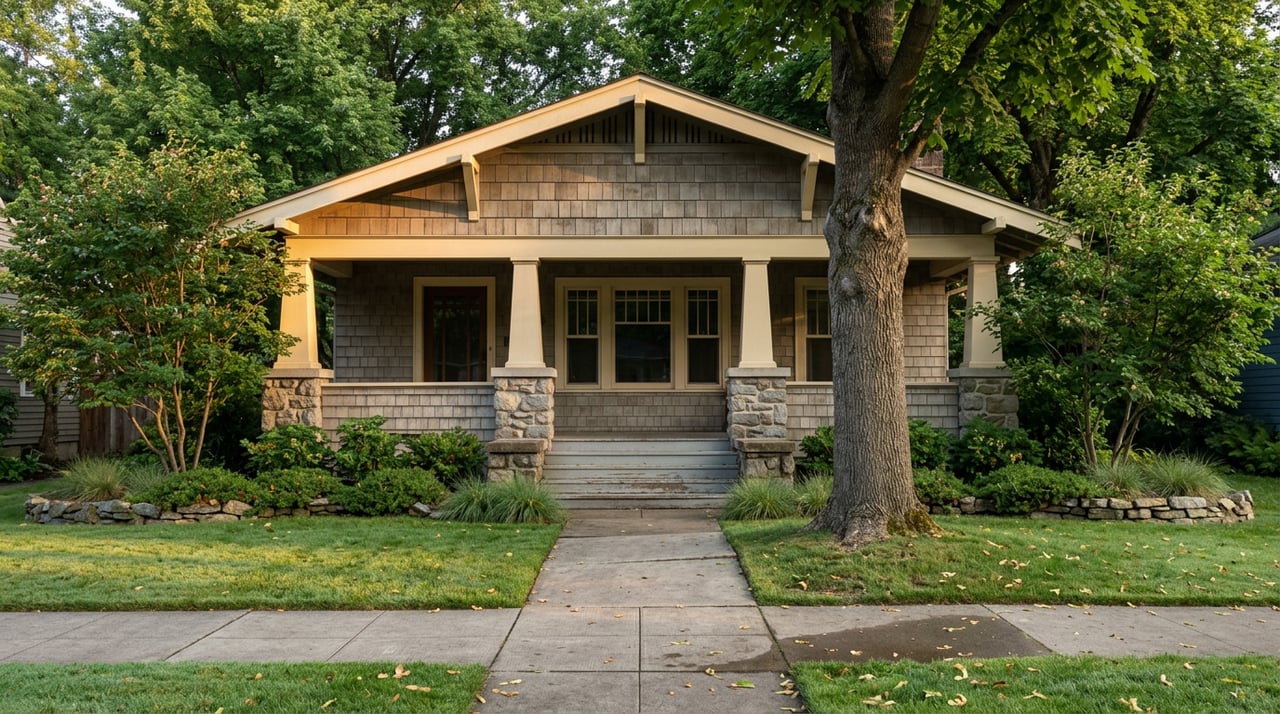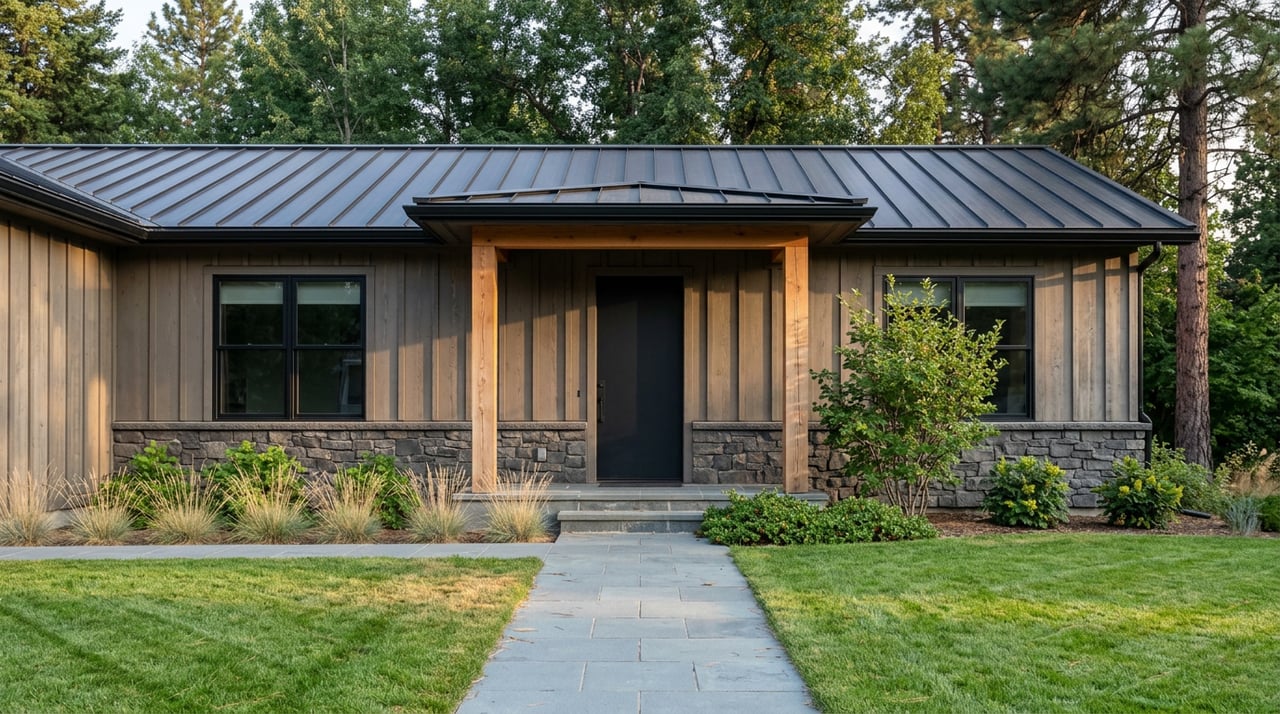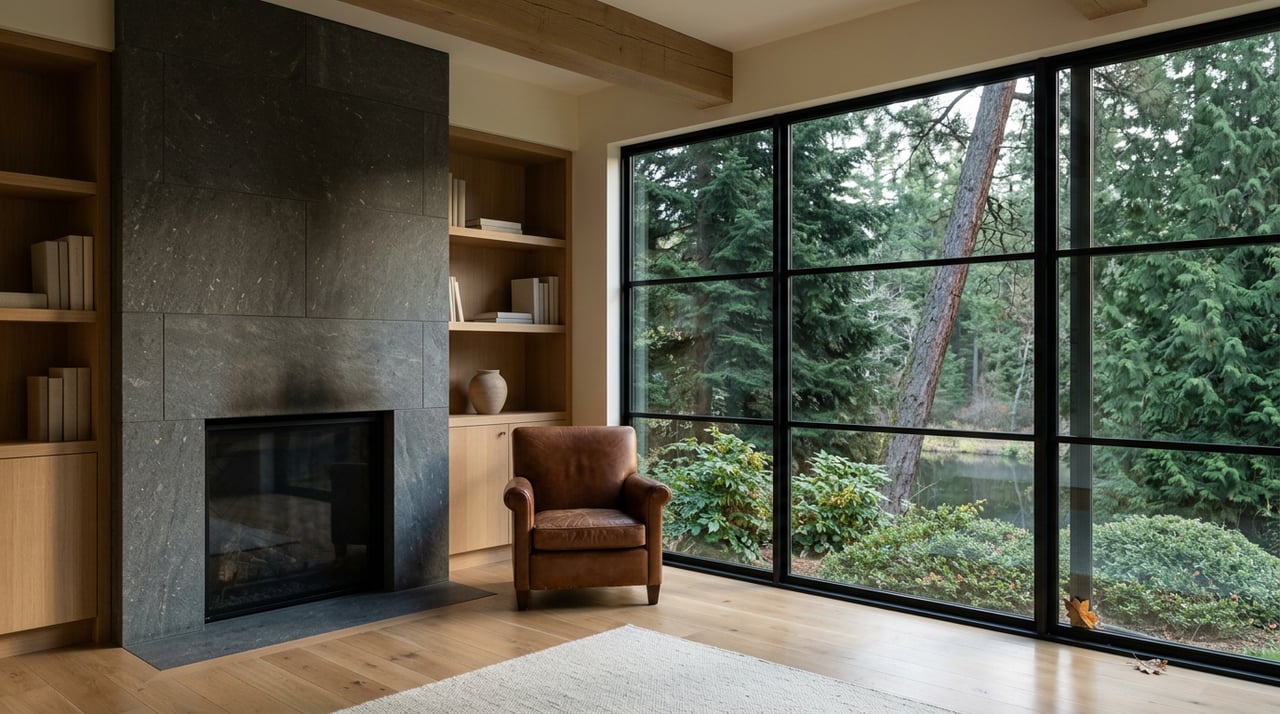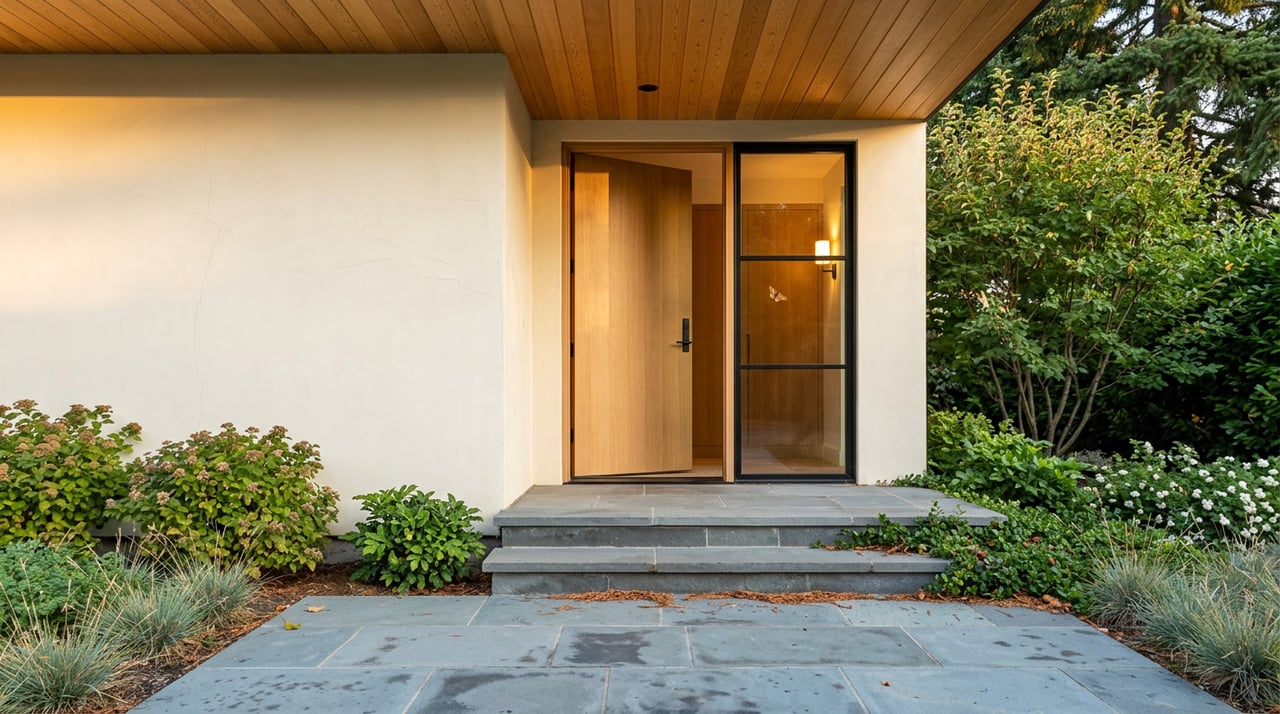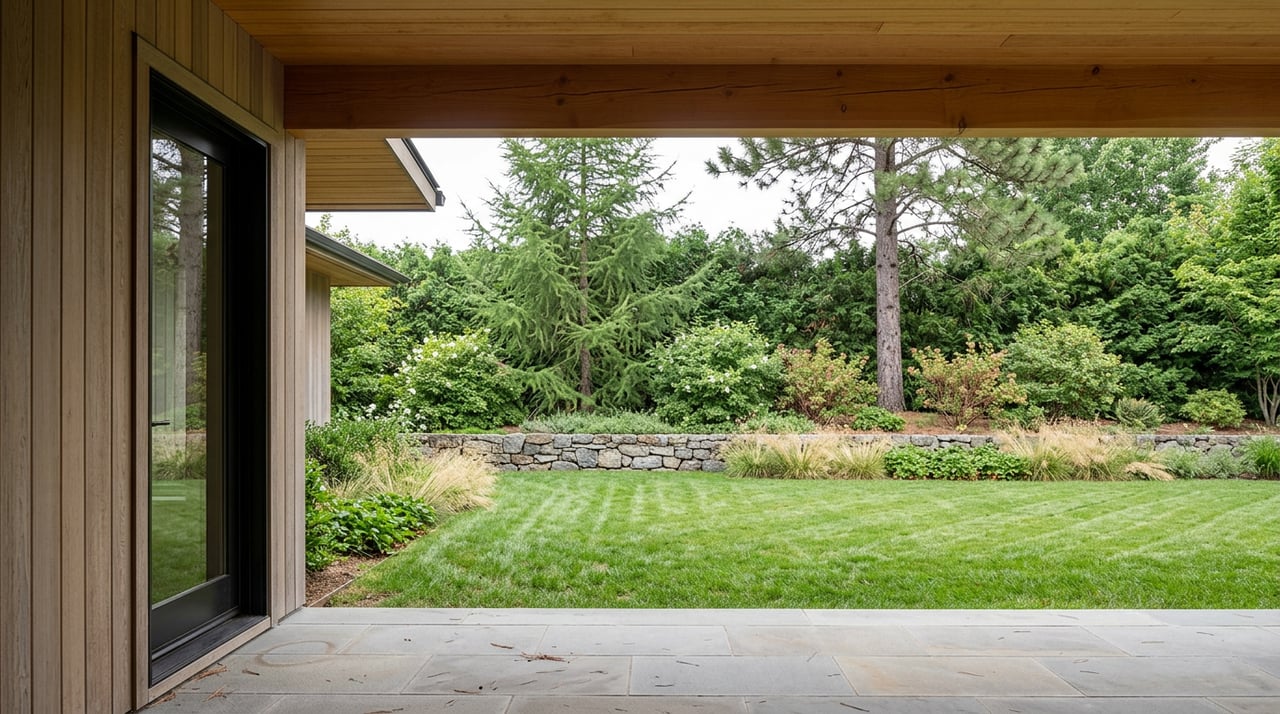
A buyer emails asking about "the Coeur d'Alene market." She has seen a median price online, somewhere in the high $500,000s to low $600,000s depending on which site she checked, and she wants to know if that number is realistic for what she's picturing: three bedrooms, a yard, something she can walk into without gutting the kitchen. The honest answer is that the number she found is not describing a neighborhood. It is describing an average of several neighborhoods that are behaving nothing alike right now, and knowing which one she's actually shopping in matters more than the headline figure.
The Median and the Average Have Stopped Agreeing
Citywide, the median sold price in Coeur d'Alene sat at $590,000 over the three months ending June 2026, up a modest 0.8 percent from the same period a year earlier. Year to date through May 2026, the median was $600,500, up 1.78 percent from $590,000 in 2025. That is a market moving in small, cautious steps.
The average sold price is telling a different story. Year to date through May 2026, it climbed 29.31 percent, from $711,770 to $920,378. When the average rises fifteen times faster than the median, the mechanism is usually the same: a handful of higher-priced sales are pulling the average up while the bulk of transactions in the middle of the market stay roughly where they were. The median, which resists that kind of pull, is the more honest read on what a typical buyer is actually paying. The average is telling you the upper end of the market has been unusually active.
That split matters because it means the "market" a lakefront or golf-course buyer is shopping is not the same market a first-time buyer is shopping, even though both are technically buying in Coeur d'Alene this year.
The rest of the citywide picture backs this up without resolving it. Year to date through May 2026, sold listings were up 24.1 percent (332 to 412) and pending sales were up 17.5 percent (382 to 449), so demand has not backed off. At the same time, average days on market rose 33 percent, from 87 to 116 days, while the absorption rate actually improved, falling to 3.25 months of inventory from 4.43 months. Buyers are still closing deals faster in aggregate, but they are individually taking longer to commit to any single property. None of that tells you what's happening on a specific street. For that, the neighborhood-level numbers.
Same Neighborhood Name, Different Number
Here is where it gets genuinely confusing for anyone comparing sources. Pull the "Downtown Coeur d'Alene" median from two different data sets and you land nearly $170,000 apart. One tracker puts the single-family median in Downtown at $570,500. Another, using a three-month sales window ending May 2026 and a slightly different boundary for what counts as "Downtown," puts the median at $739,000, up 23.1 percent year over year, with price per square foot at $504, up 24.8 percent. Both are accurate. They are just drawing the neighborhood line in different places, and downtown Coeur d'Alene's mix of condos, cottages, and larger homes near Sherman Avenue means where that line falls changes the number substantially.
The same pattern shows up elsewhere in the city. Sanders Beach, the waterfront pocket near downtown, currently shows a median north of $1 million. The Garden District, which includes the Sorensen Magnet School of the Arts and Humanities, is tracking closer to $752,000. Fernan Hill, the hillside area above Fernan Lake known for privacy and larger lots, has luxury properties reaching a median around $3 million. Condominiums sit at the other end entirely, with one-bedroom units around $434,500 and two-bedroom units around $500,000. Any single "Coeur d'Alene median" is an average across all of that, which is a bit like averaging the temperature of a sauna and a walk-in cooler and reporting the room as "comfortable."
Fast Isn't the Same as Competitive
The part of this data that surprised me most involves speed versus what real estate trackers call a competitiveness score, a composite measure that factors in more than just days on market. Downtown Coeur d'Alene sells fast: homes there averaged just 20 days on market over the period measured, down from 36 days a year earlier. Yet Downtown's competitiveness score comes in at only 46 out of 100, described as "somewhat competitive."
Compare that to Coeur d'Alene Place, a subdivision on the city's periphery. Homes there took 81 days to sell on average, up from 64 the year before, considerably slower than Downtown. But Coeur d'Alene Place scores 85 out of 100, solidly in "very competitive" territory, with its median sale price up 17.6 percent to $625,000 and price per square foot up 10.4 percent to $298.
That ordering runs against intuition. A buyer watching Downtown listings churn through in three weeks assumes they're in the hottest pocket of the city. The composite data says otherwise: something about the ratio of asking price to sale price, or the volume of competing offers, is tighter in the newer subdivision than in the walkable core. Coeur d'Alene Place also had its own internal wrinkle worth flagging: its average sale price actually fell 29.7 percent even as its median rose 17.6 percent, which is the average-versus-median gap again, just running in the opposite direction, likely because a couple of higher-priced closings dropped out of that particular month's mix. The lesson isn't that Downtown is a bad market or Coeur d'Alene Place is a hidden secret. It's that "fast" and "competitive" are measuring different things, and a buyer relying on gut feel about which neighborhood is hot can get the ranking backward.
What This Means Depending on Where You're Looking
If you're comparing neighborhoods rather than reading a single median, the practical takeaway is to match the number to the kind of buyer you are, not the other way around.
A buyer prioritizing walkability and a lock-and-leave lifestyle near the lake and Sherman Avenue is shopping a market with fast turnover but a lower composite competitiveness score, which may mean more room to negotiate on price even with a tight timeline.
A buyer targeting a newer subdivision built for predictable floor plans and lower maintenance is shopping a market that moves slower in days but scores as tighter on price relative to list, meaning the appearance of extra time on market doesn't necessarily translate into negotiating room.
A buyer drawn to Fernan Hill or Sanders Beach for water access or acreage is shopping a genuinely different price tier, one where the citywide median has almost no relevance, and where the meaningful comparisons are to other waterfront or hillside listings, not to the city as a whole.
And a buyer anchored to the Garden District for its proximity to Sorensen Magnet School is shopping a market that sits between the extremes, priced above the citywide median but well below the luxury tier.
None of these are better or worse markets. They are different markets that happen to share a mailing address, and the only way to know which one applies to you is to ask for the boundary-specific numbers rather than the citywide headline.
A Few Direct Questions
Is Coeur d'Alene's median price going up or down right now? Through May 2026, the citywide median was up modestly, about 1.78 percent year over year. The average sale price rose far more, close to 29 percent, which reflects strength concentrated in higher-priced sales rather than a broad-based jump across every price point.
If a neighborhood has a lower competitiveness score, does that mean it's a better deal? Not automatically. Downtown's lower score alongside its fast turnover suggests less bidding pressure relative to asking price, which could mean more negotiating room, but it's also a smaller, pricier market with fewer comparable sales to lean on. The score is a starting point for a conversation, not a final answer.
Why do two sites show different medians for the same neighborhood? Different platforms draw neighborhood boundaries differently and often use different windows of time. A "Downtown" polygon that includes more of the surrounding blocks will pull in a different mix of homes than one drawn tightly around the core, and a three-month rolling window will read differently than a single month's closings.
If you're trying to figure out which of these Coeur d'Alene markets actually fits your budget and your list of must-haves, that's a conversation worth having before you start touring. I track these neighborhood-level shifts month to month, including the official monthly snapshots from the Coeur d'Alene Regional REALTORS, and I can walk you through what a specific price point buys block by block rather than citywide. Start with a home valuation if you're on the selling side, or reach out directly if you're comparing neighborhoods as a buyer. Tanya Beebe — Let's Connect.