Ask a title company that closes waterfront deals on Hayden Lake what causes last-minute delays, and dock permits come up before anything related to the house itself. A buyer assumes the dock is part of the property, the same as the roof or the garage. A seller assumes the same thing, because they've never had reason to think otherwise. Then someone pulls the actual paperwork and finds that the dock sits on land the seller never owned in the first place.
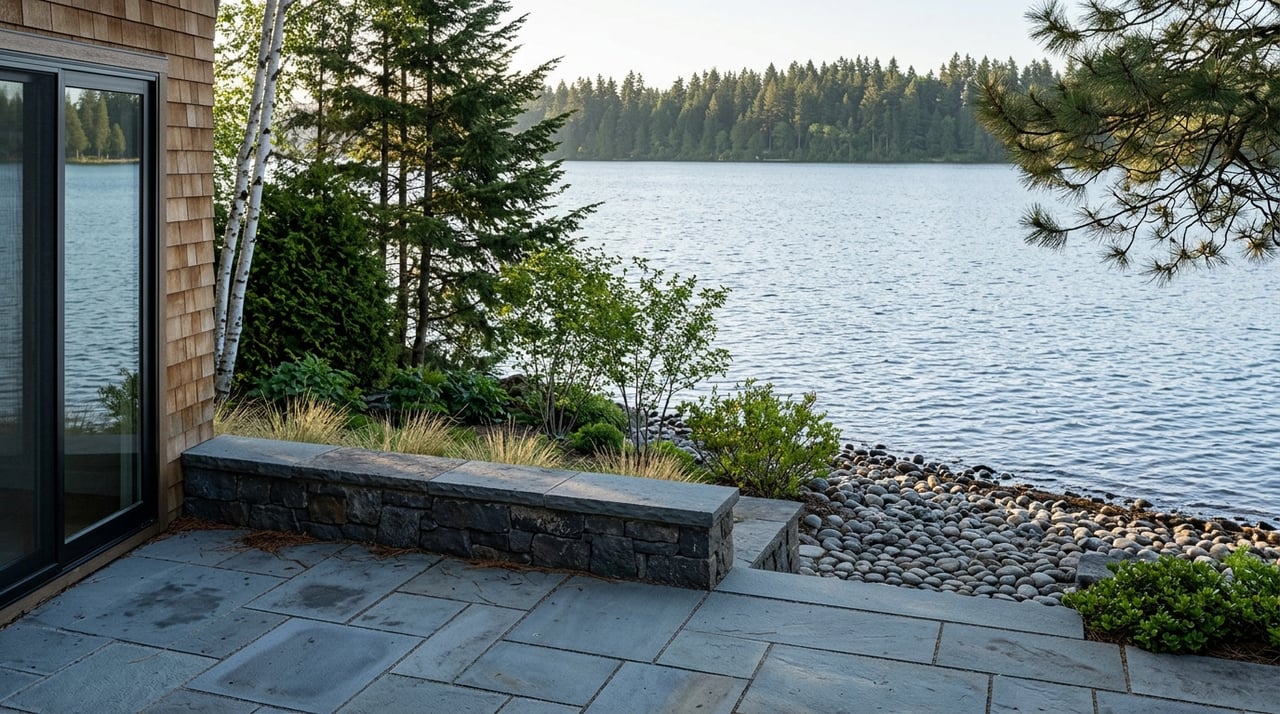
That's not an exaggeration. The bed of Hayden Lake below the ordinary high water mark belongs to the State of Idaho, held in public trust. A private dock is a permitted encroachment on public land, not a fixture that automatically rides along with the deed. The distinction sounds technical until it shows up as a real delay at closing, which is why it deserves more attention than it usually gets in a waterfront sale.
The Lakebed Isn't Yours, Even When the Water in Front of It Feels Like It Is
Idaho's Lake Protection Act, Idaho Code Title 58, Chapter 13, gives the Idaho Department of Lands authority over anything permanently fixed to a navigable lakebed, docks included. Before anyone builds a dock, boat lift, or shoreline stabilization structure on Hayden Lake, they need an encroachment permit from IDL. That permit is a separate legal instrument from the property title. It has its own number, its own file, and its own owner of record.
When a waterfront property changes hands, the encroachment permit does not follow automatically. The current owner has to formally reassign it to the buyer using a Request for Assignment form, along with a $300 filing fee. Skip that step and the new owner technically has no legal standing over the dock sitting in front of their own house, regardless of what the purchase agreement says.
There's a narrow exception worth knowing if you're buying an older Hayden Lake cabin. Encroachments built before 1975 and never modified since can sometimes be permitted without a fee, but only with real documentation: dated aerial photos, tax deeds, or other records proving the structure hasn't changed since 1974. If that paperwork doesn't exist, the exemption doesn't apply, no matter how long the dock has been sitting there.
A Live Example: 247 Slips and a Regulatory Process Playing Out Right Now
This isn't an abstract compliance issue. It's happening on Hayden Lake as this is written. In October 2025, Southern Marinas Hayden Lake, LLC filed an application with IDL to overhaul the Hayden Lake Marina, replacing the existing docks with a new configuration that adds 32 slips, bringing the total to 247. The applicant's stated reason: boats have gotten bigger, and the current slips no longer fit the average vessel size on the lake.
The Hayden Lake Watershed Association raised concerns about parking and traffic on Hayden Lake Road. Reactions from residents split along predictable lines. Andrea Zinnecker, who has been on the marina's waitlist for years, called the project a benefit to the lake and the community. Steve Petroni acknowledged the expansion would reduce his view of part of the lake, but said the traffic reduction from the new configuration made that tradeoff worthwhile. Under state parking rules, the marina has to provide one parking space for every two watercraft slips, which is part of why the project is still working through the approval process rather than moving straight to construction.
This is the same regulatory machinery that governs a single homeowner's dock. If a commercial marina with a legal team still has to navigate public hearings, parking ratio requirements, and IDL review, a private dock owner selling their house should expect the same permit to get real scrutiny, just at a smaller scale.
The rules themselves also just changed. IDAPA 20.03.04, the administrative code governing beds, waters, and airspace over Idaho's navigable lakes, was approved by the 2026 Idaho Legislature and took effect on July 1, 2026. Anyone buying or selling waterfront right now is operating under the newest version of these rules, not the version their neighbor dealt with five years ago.
The Other Paperwork: Septic, Wells, and a Ten-Day Clock
Most homes on Hayden Lake run on private well and septic rather than municipal water and sewer. That matters at disclosure time. Idaho's Property Condition Disclosure Act, Idaho Code 55-2501 and following, requires sellers to deliver a signed disclosure form to the buyer within ten calendar days of accepting an offer. The form specifically asks about the condition of the septic system, along with plumbing, electrical, and drainage.
Idaho law doesn't require a seller to hire an inspector before filling out the form. Sellers only have to disclose what they actually know, and they're not obligated to investigate inaccessible areas like the septic tank itself before selling. But a septic system that has already failed, or shows known problems, counts as a material defect under Idaho law, meaning it has to be disclosed even if the buyer never thinks to ask. Once the form is delivered, the buyer has a three-business-day window to review it and can rescind the purchase agreement in writing if something in the disclosure gives them a specific objection.
None of this is legal advice, and anyone with a complicated situation, a boundary dispute, or a permit that doesn't match what's actually built should talk to a real estate attorney before closing. But knowing the ten-day clock exists, and that septic condition is squarely inside it, changes how a seller prepares a Hayden Lake listing months before it ever goes live.
What the Numbers Actually Show
Here's where the permit issue connects to price. Hayden Lake doesn't command a premium just because the houses are bigger. It commands a premium because a meaningful share of what buyers are paying for is the legal right to occupy a piece of public lakebed, a right that's finite, state-regulated, and increasingly slow to obtain as demand grows.
| Metric | Figure |
|---|---|
| Typical home value, Hayden Lake area (recent estimate, up 0.4% year over year) | $943,719 |
| Average size of active Hayden Lake listings (spring 2026 snapshot) | 4,251 sq ft, versus 2,393 sq ft countywide |
| Average price across active Hayden Lake listings (spring 2026 snapshot) | roughly $1.88 million |
| Median list price, broader Hayden market (August 2026) | $722K |
The gap between Hayden Lake's typical home value and the average price of its active listings is wider than square footage alone explains. Active Hayden Lake inventory this spring ran nearly 78 percent larger than the county average by square footage, but the price gap is proportionally even steeper. Part of that is finish level and lot size. Part of it is that a permitted, valid dock with clean water access is scarce, and scarcity in a regulated system prices differently than scarcity in an open market. You can't simply build more shoreline. You can only wait for IDL to process an application, and as the marina expansion shows, that process can take months even for a well-funded commercial applicant.
If You're Selling
Pull your encroachment permit file before you list, not after you're under contract. Compare the diagrams on file to what's physically built, especially if the dock or boat lift has been repaired or replaced since the original permit was issued. If a storm or ice damage led to a rebuild that changed the footprint, the permit on file may no longer match reality, and that's a conversation better had with your own timeline than the buyer's.
If You're Buying
Ask directly whether the seller's encroachment permit is current, whether it matches the physical dock, and who is responsible for filing the Request for Assignment and the $300 fee at closing. If the property relies on well and septic, ask when the septic system was last serviced and whether the seller is aware of any past problems, since that history has to appear on the disclosure form regardless of whether you think to ask about it separately.
A Few Direct Questions
Does every dock on Hayden Lake need a state permit? Yes, unless it falls under the narrow pre-1975 exemption, and even then the owner needs documentation proving the structure hasn't changed since 1974.
What happens if the dock doesn't match the permit on file? The mismatch has to be resolved, either by amending the permit to match what's built or by removing the unpermitted portion, before the transfer can proceed cleanly.
Can a new owner be held responsible for a permit issue the previous owner created? The permit assignment process exists precisely to prevent that ambiguity. Completing the Request for Assignment and confirming the underlying permit is valid protects the new owner from inheriting someone else's compliance problem.
Hayden Lake rewards buyers and sellers who treat the permit file with the same seriousness as the inspection report. If you're weighing a purchase or preparing to list on the lake, Tanya Beebe has spent over two decades working North Idaho waterfront transactions and can walk you through exactly what needs to be verified before you sign anything. Reach out through the Hayden Lake neighborhood page or the seller resources page to start the conversation.