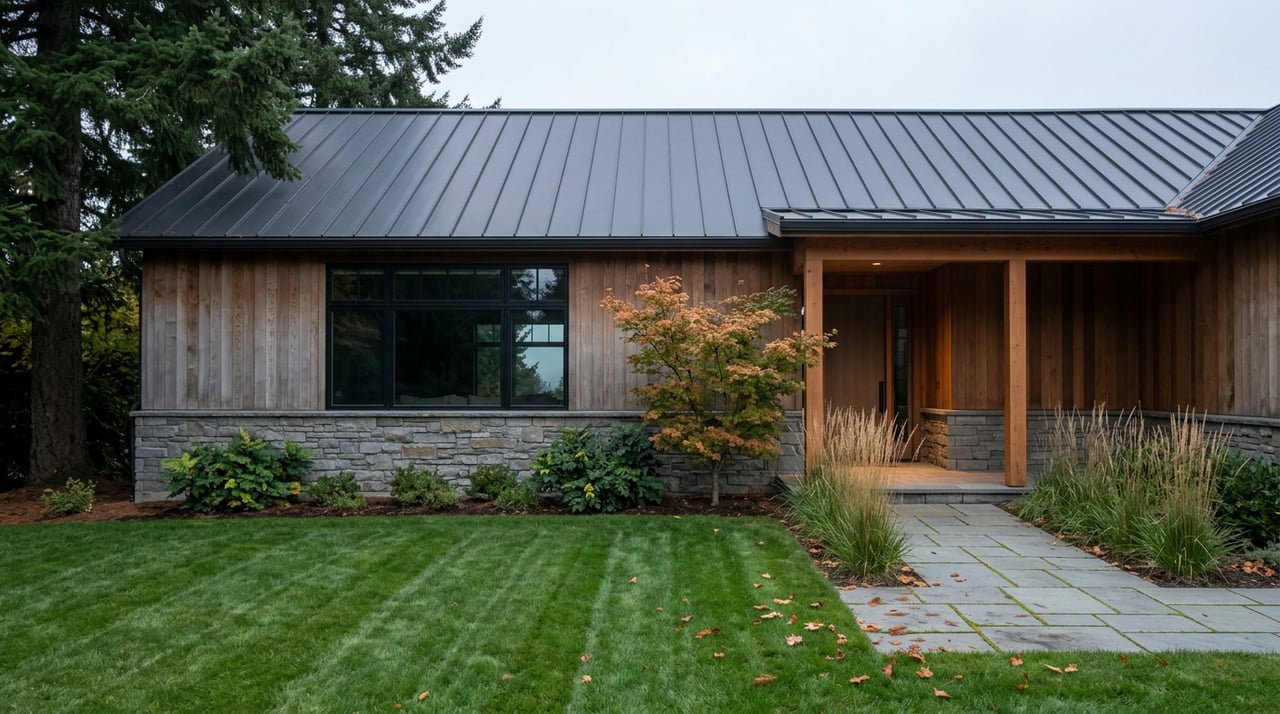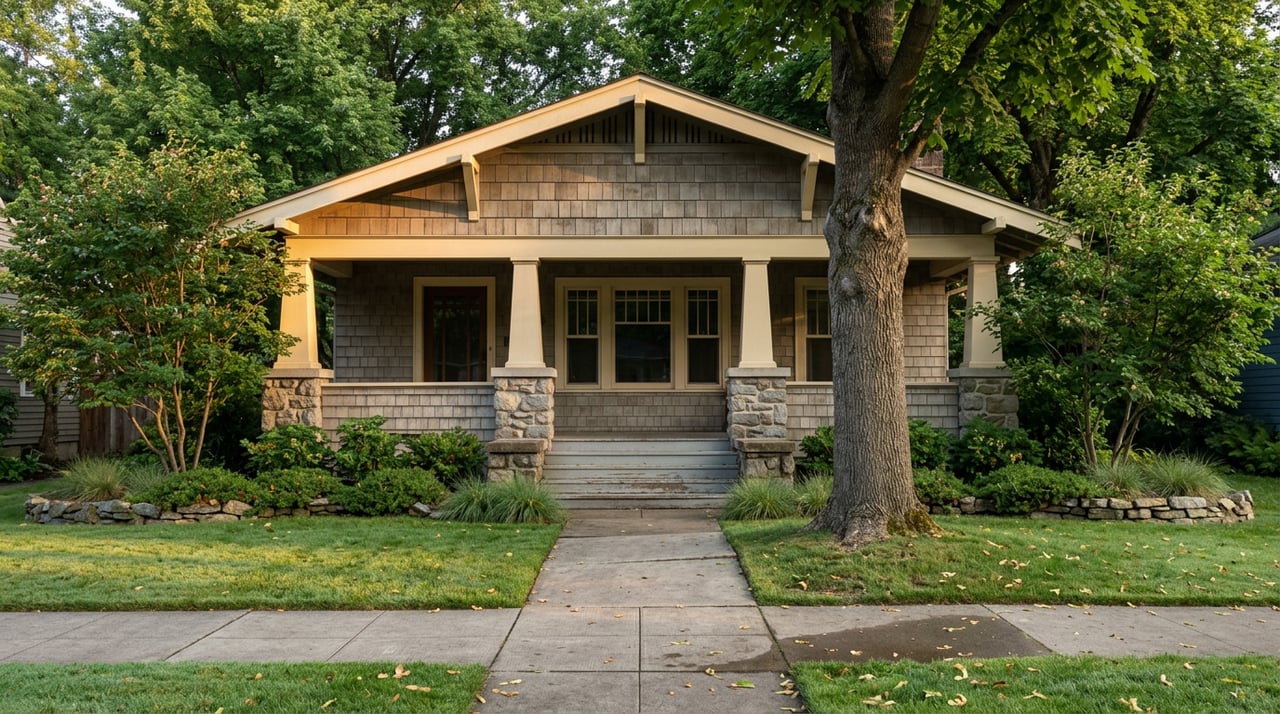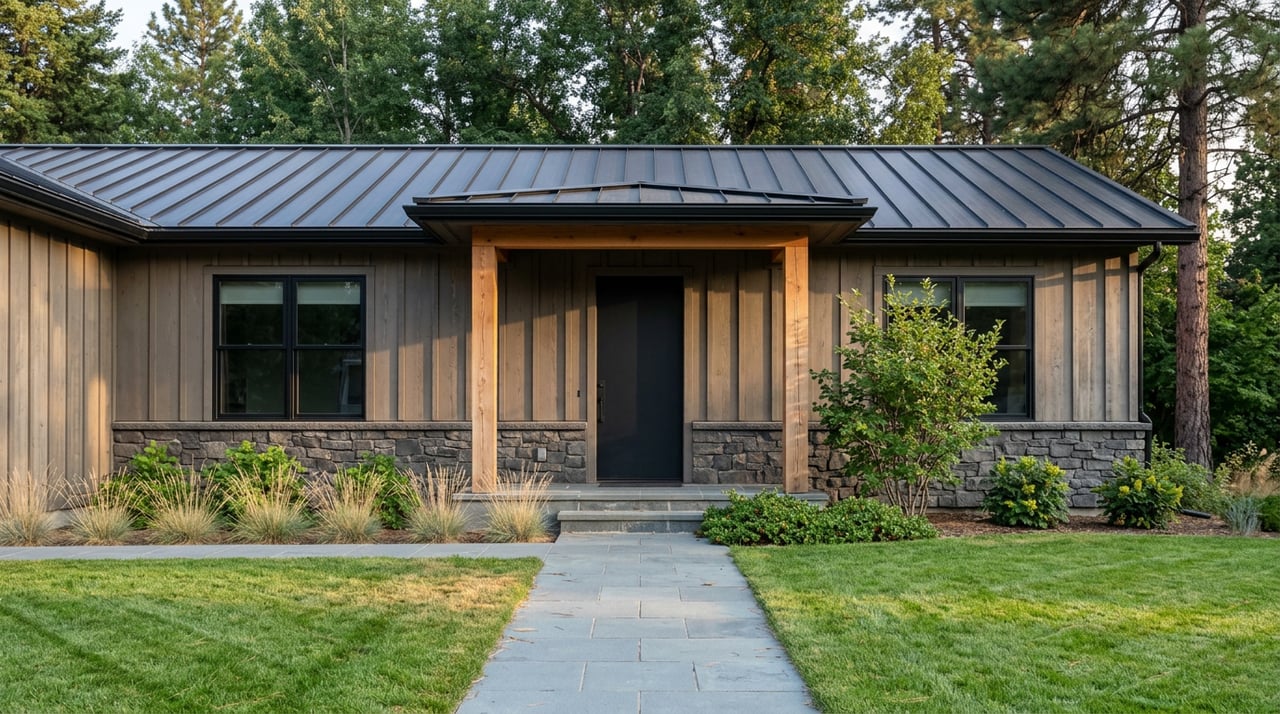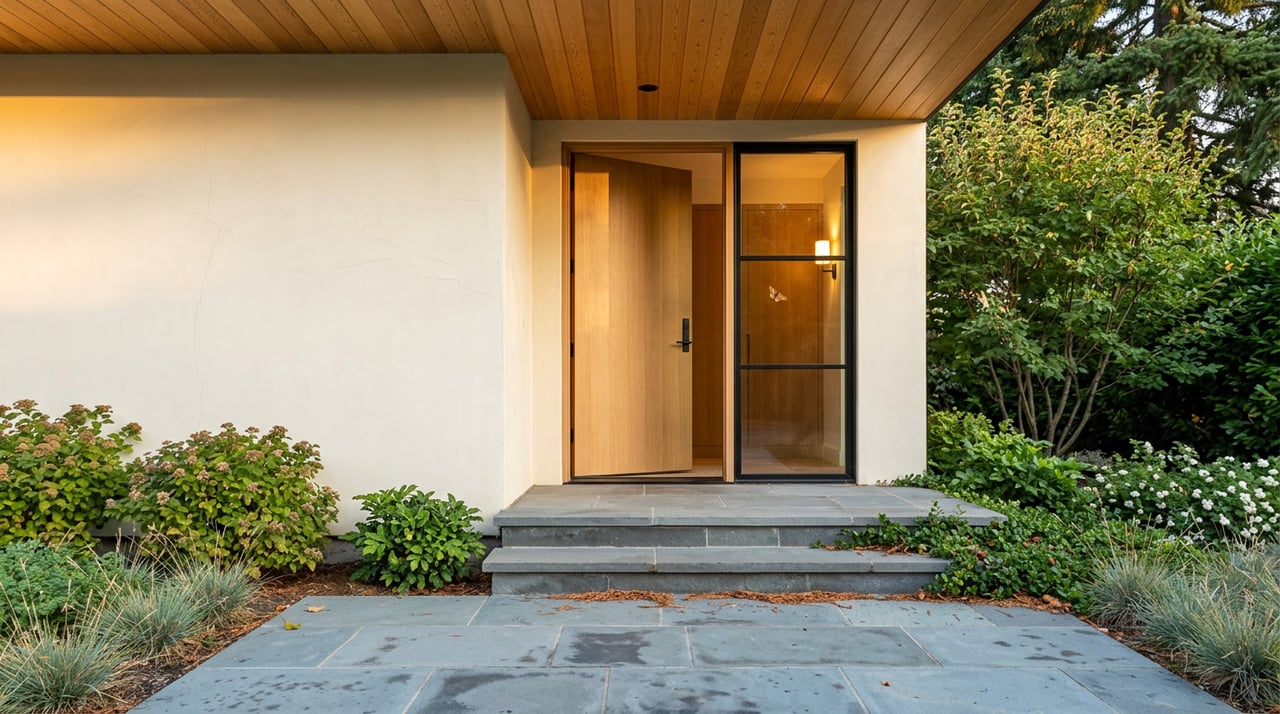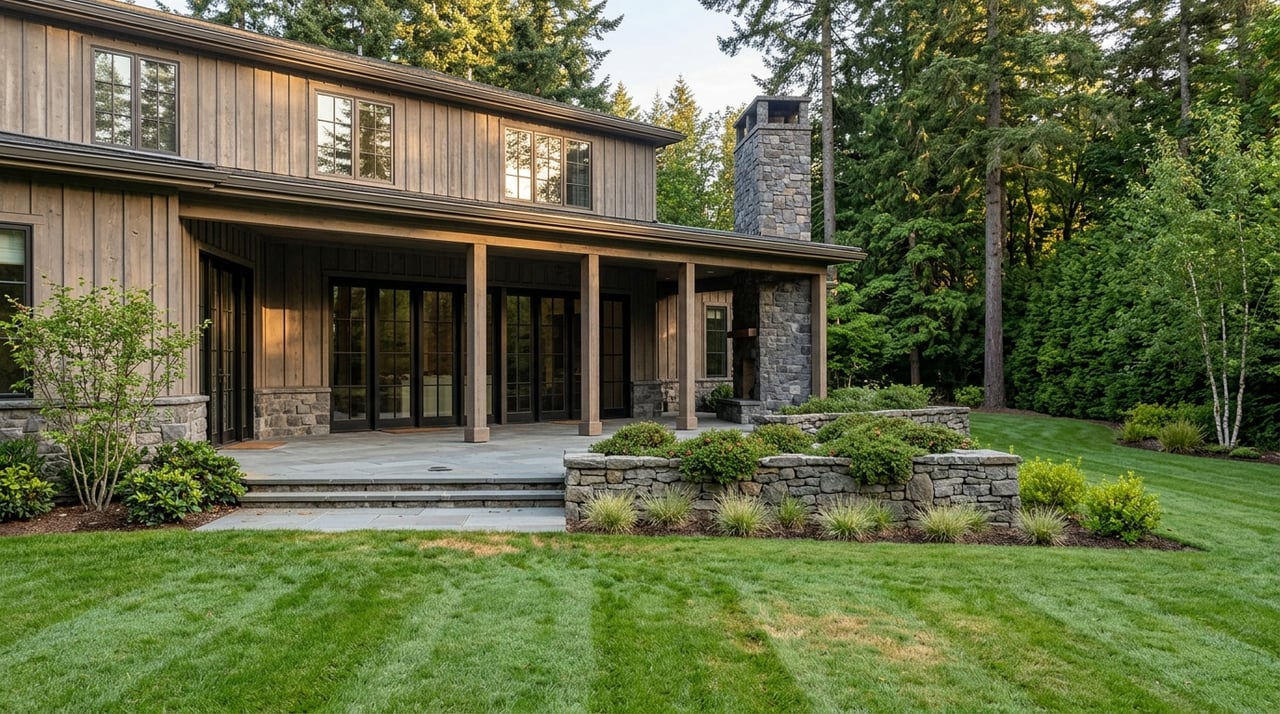
Two sellers list nearly identical homes the same week. Both are single-story ranchers near a golf course, both price around $475,000, both go under contract in under two months. One closes in Post Falls, Idaho. The other closes nine miles away in Liberty Lake, Washington.
At the closing table, the Post Falls seller signs one fewer line item than the Liberty Lake seller. That line item costs the Liberty Lake seller somewhere between $7,000 and $8,000 on a home at that price, and it has nothing to do with commission, staging, or the home itself. It exists because of where the property sits, not what it's worth.
That gap is Washington's Real Estate Excise Tax, and for anyone weighing a sale or purchase on either side of the Spokane County line, it is worth understanding before a listing goes live, not after a preliminary settlement statement lands in an inbox.
A tax with no Idaho counterpart
Idaho does not charge a transfer tax on real estate sales. State law does not permit counties to impose one either, so a seller in Post Falls or Coeur d'Alene walks away from closing without a transfer-tax line at all.
Washington works differently. Every sale of real property in the state is subject to REET unless a specific exemption applies, and the seller is the one who owes it. The tax is calculated on the full sale price, not on profit, so it applies whether the home sold for more or less than the owner originally paid.
Since 2020, Washington's REET has used a graduated structure similar to income tax brackets. The state portion runs 1.10 percent on the first $525,000 of a sale, 1.28 percent on the next segment up to $1,525,000, then 2.75 percent and 3.00 percent at higher tiers. On top of that, cities and counties add their own local rate, calculated as a flat percentage of the entire sale price rather than by bracket. Liberty Lake's local rate is 0.50 percent, confirmed on the Washington Department of Revenue's local rate schedule under city code 3212.
What that actually costs at Liberty Lake prices
Most Liberty Lake sales never touch the higher brackets. MeadowWood, one of the city's largest established golf-course neighborhoods, had a median sale price of $449,950 over the trailing twelve months as of May 2026, down 14 percent from the prior twelve-month period, with homes spending an average of 49 days on market. The neighborhood's current median list-to-sale midpoint sits around $474,950. Both figures fall well under the $525,000 threshold where the second bracket begins, so a typical MeadowWood sale is taxed at a flat combined rate of 1.60 percent on the entire price.
Here is what that looks like in dollars, compared to an identical sale just over the state line.
| Sale price | State REET | Liberty Lake local REET (0.50%) | Total REET at closing | Same sale in Post Falls |
|---|---|---|---|---|
| $449,950 | $4,949 | $2,250 | $7,199 | $0 |
| $474,950 | $5,224 | $2,375 | $7,599 | $0 |
| $900,000 | $10,575 | $4,500 | $15,075 | $0 |
The third row matters for a specific slice of the Liberty Lake market. Custom lots in Legacy Ridge and gated sales in Estates at Meadowwood regularly price well above the MeadowWood median, some into seven figures. Once a sale crosses $525,000, the math changes twice at once: the state rate steps up to 1.28 percent on the portion above that line, and the local 0.50 percent keeps applying to the full price, not just the piece above the threshold. A $900,000 sale in Liberty Lake owes roughly $15,000 in REET. The same $900,000 sale in Post Falls owes nothing.
None of this is negotiable in the way commission is. Escrow calculates it, collects it, and remits it to the county treasurer before the deed can record. If it goes unpaid, the obligation can attach to the property itself. The only real lever a seller has is knowing the number early enough to build it into a net sheet before listing, not discovering it during final review of the settlement statement.
The second signature Liberty Lake sellers forget
REET is not the only closing-table item that looks different depending on which side of the border a Liberty Lake home sits. Most of the city's most recognizable neighborhoods, MeadowWood, Legacy Ridge, Stonehill, Estates at Meadowwood, and the 55-and-over Sandy Beach community, operate under a homeowners association, and every one of those associations owes the buyer a resale certificate before closing can proceed.
Under Washington's current statute for common interest communities, that certificate has to arrive within 10 days of a request, the association can charge no more than $275 for producing it and $100 for an update, and the buyer gets a 5-day window to cancel the purchase after receiving it if something in the disclosure gives them pause. Estates at Meadowwood III, for example, is managed by WEB Properties, which oversees the covenants and common grounds for that gated section adjacent to Meadowwood Golf Course, and a seller there requests the certificate through that management office rather than through the county.
Here is the part that catches people off guard right now, in 2026 specifically. MeadowWood was platted starting in 1994, long before Washington's current common-interest-community law took effect for new developments in 2018. Communities formed before that date, MeadowWood among them, still operate primarily under the older Homeowners' Associations Act rather than the newer, more detailed statute that governs resale certificates for newer developments. The two frameworks are set to merge into one law for every Washington community, regardless of formation date, on January 1, 2028. Until that date arrives, what a resale certificate must include and how quickly it has to be produced can vary somewhat by which association is issuing it and how closely its own governing documents already track the newer standard.
That is not a reason to worry. It is a reason to ask early. Before listing a home inside any Liberty Lake HOA, a seller should confirm directly with the association or its management company:
- The current turnaround time for a resale certificate request, since 10 days is a ceiling under the newer statute, not a guarantee under the older one
- The exact fee being charged for the initial certificate and for any update
- Whether outstanding dues, pending special assessments, or reserve fund shortfalls will appear in the certificate, since any of these can affect a buyer's financing timeline
- Whether the association has already updated its documents to match the incoming 2028 standard or is still operating under the older framework
None of these questions require a real estate attorney to ask. They require a phone call placed weeks before a listing goes live rather than days before a scheduled closing.
Reading the two numbers together
Neither of these frictions makes Liberty Lake a worse place to sell than Post Falls or Coeur d'Alene. It makes it a different transaction, one where the state line changes the arithmetic in ways a median price on its own never shows. A seller comparing two nearly identical homes nine miles apart is not just comparing school boundaries or golf course frontage. They are comparing a jurisdiction with a mandatory, seller-paid excise tax and an HOA disclosure law mid-transition against one with neither.
For buyers, the same numbers cut the other direction. A Liberty Lake seller who has already priced REET into their expectations is less likely to treat it as a last-minute negotiating point, and a buyer who understands the resale certificate timeline going in is less likely to face a surprise delay two weeks before closing.
Working transactions on both sides of this border, in both Idaho and Washington, means running this math often enough that it stops feeling like a surprise and starts feeling like part of the plan.
A few direct questions
Does the buyer ever end up paying REET instead of the seller? By default, no. Washington law makes the seller responsible, though the tax becomes a joint obligation if it goes unpaid, meaning a buyer could technically be held liable in that scenario. In practice, escrow collects and remits it automatically as part of closing, so this rarely becomes a live issue.
Is the local 0.50 percent rate the same everywhere in the Spokane area? No. Local REET rates vary by city and county across Washington. Liberty Lake's rate is 0.50 percent, matching most of Spokane County's incorporated cities, but a seller working across county lines should confirm the specific local rate for that jurisdiction rather than assume it carries over.
Will resale certificates look the same everywhere once the 2028 transition happens? That is the intent of the change. Once every Washington common interest community operates under the same statute, the delivery deadline, fee caps, and required disclosures become uniform regardless of when the community was originally formed. Until then, checking directly with each association remains the reliable path.
If you are weighing a sale in Liberty Lake, a purchase on either side of this border, or simply want a clear-eyed net sheet before you commit to a price, Tanya Beebe has spent more than two decades working transactions across both Idaho and Washington and can walk you through exactly what your closing statement will show. Let's Connect and get the real numbers before you list.